Protect Your Gear, Enhance Your Adventures
Whether you're scaling peaks, paddling rapids, or exploring trails, your adventure sports equipment is your lifeline. Proper adventure sports equipment maintenance is not just about longevity; it's critical for your safety and performance. In Nairobi, Get2gether connects you with skilled technicians and services specializing in keeping your gear in optimal condition. From cleaning and repairs to tune-ups and safety checks, investing in maintenance ensures your equipment is reliable when you need it most. Discover why regular upkeep is a non-negotiable aspect of any serious adventurer's routine.
Why is Adventure Sports Equipment Maintenance Crucial?
Regular adventure sports equipment maintenance is vital for several reasons. Firstly, safety is paramount. Faulty gear can lead to serious accidents. For instance, a worn climbing rope or a malfunctioning bicycle brake can have catastrophic consequences. Secondly, maintenance extends the lifespan of your equipment, saving you money in the long run. Protecting your investment means fewer replacements and repairs over time. Thirdly, well-maintained gear performs better. A clean bike chain runs smoother, a properly waxed ski glides faster, and a well-serviced kayak is more responsive. This enhanced performance allows you to fully enjoy your chosen activity. Finally, many adventure sports have specific standards for equipment safety that require regular checks and servicing.
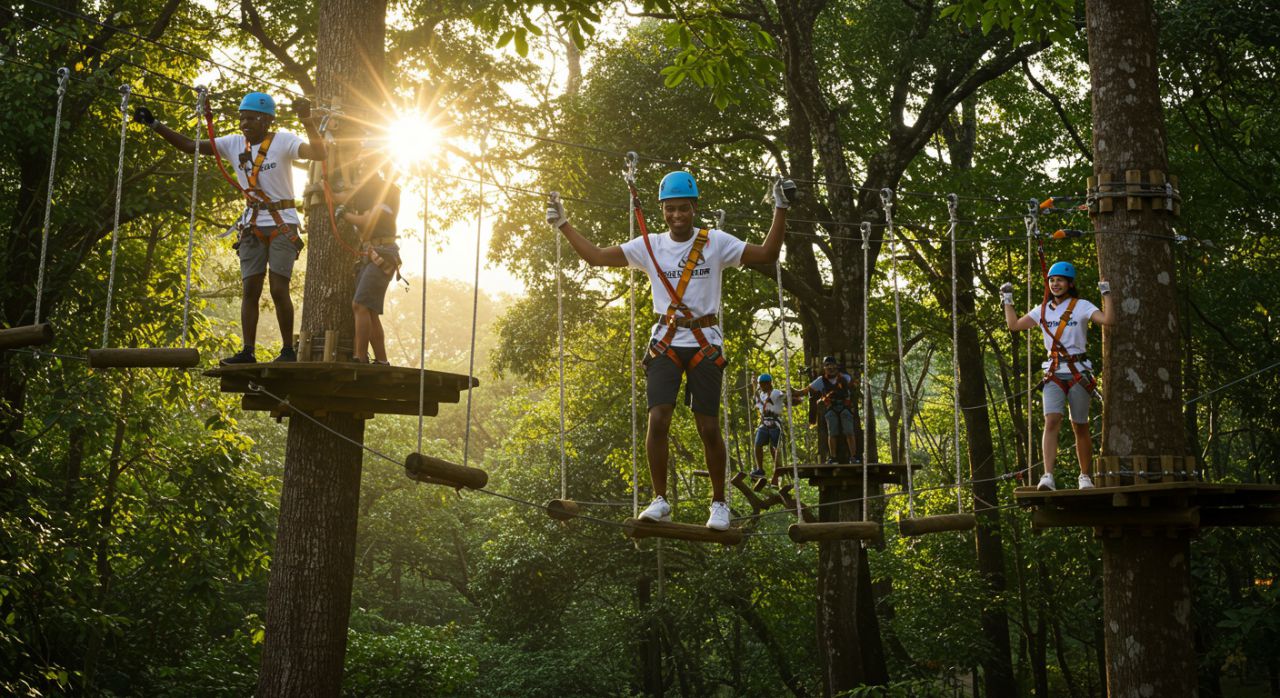
Common Types of Adventure Gear Needing Maintenance
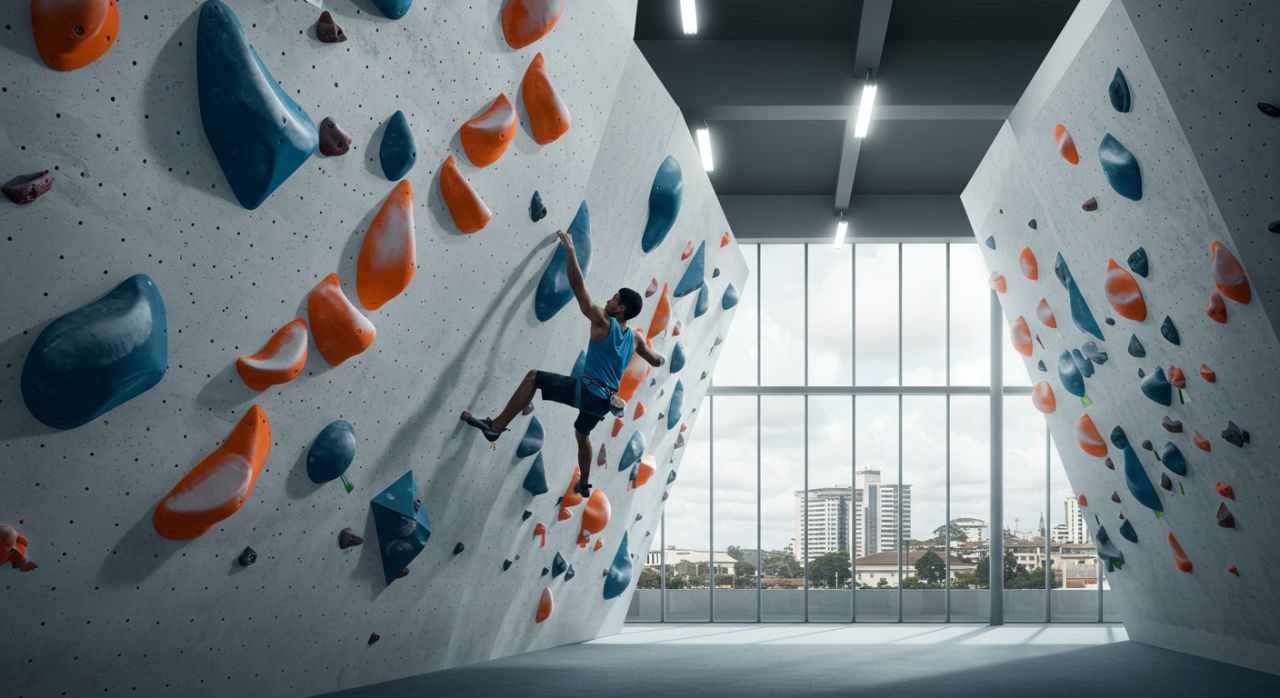
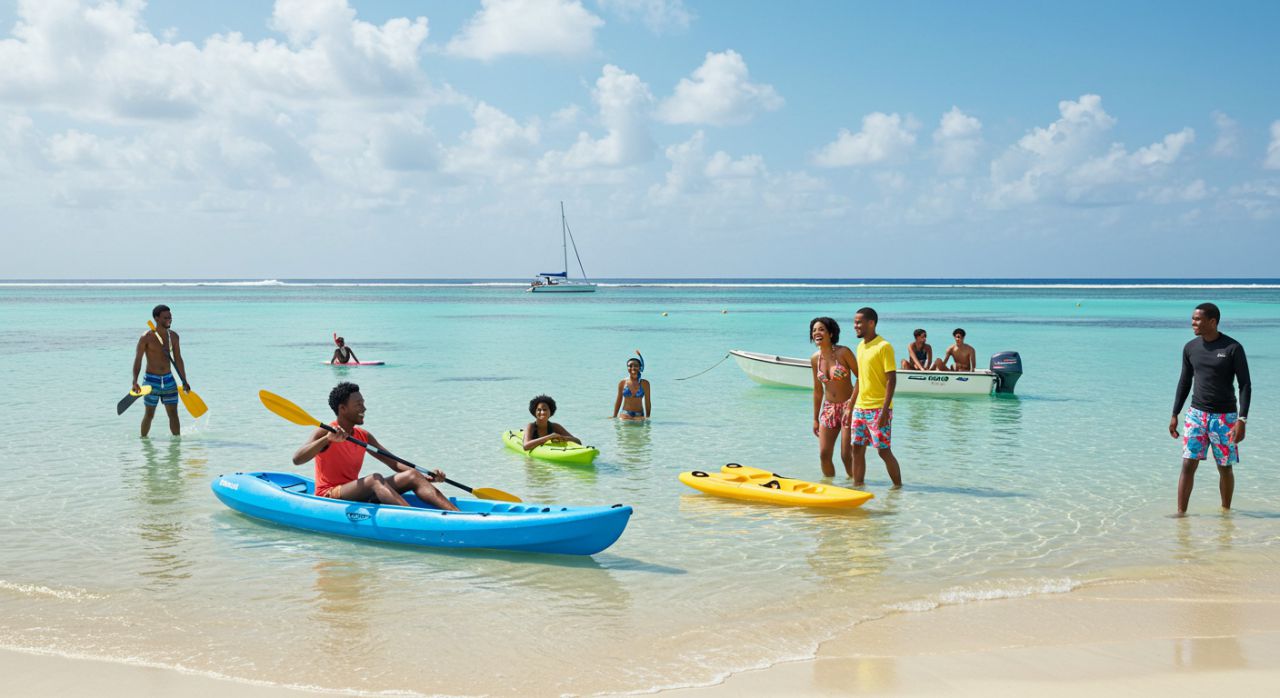
A wide array of gear used in adventure sports requires diligent adventure sports equipment maintenance. This includes items like bicycles (mountain bikes, road bikes), camping equipment (tents, sleeping bags), climbing gear (ropes, harnesses, helmets), water sports equipment (kayaks, paddleboards, wetsuits), and winter sports gear (skis, snowboards). Each category has unique maintenance needs. For example, bicycles require checks on brakes, gears, tires, and frame integrity. Climbing ropes need regular inspection for wear and tear. Wetsuits need proper cleaning to prevent degradation. Understanding the specific needs of your equipment is the first step towards effective maintenance.
Professional Maintenance Services in Nairobi
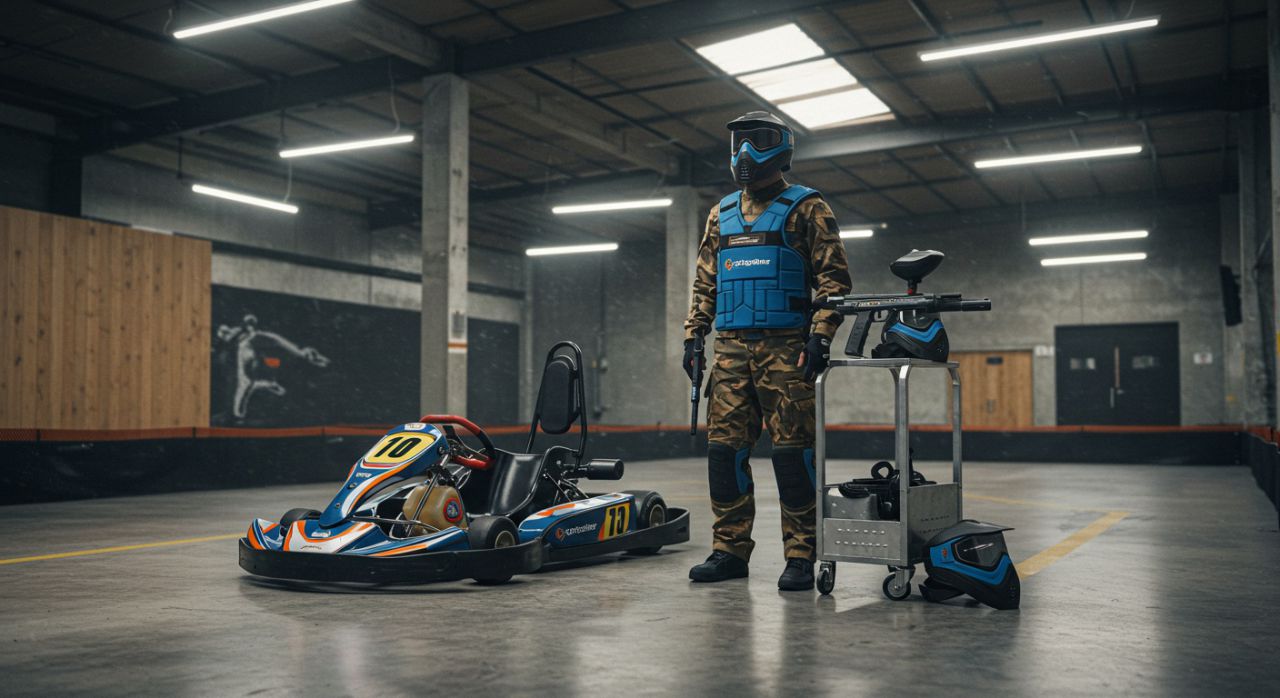
Finding reliable professional services for adventure sports equipment maintenance in Nairobi is essential for adventurers. Specialized shops and independent technicians offer a range of services. These can include comprehensive servicing for bicycles, including gear tuning and brake adjustments. Climbing equipment inspection and certification services are available to ensure gear meets safety standards. For water sports gear, services might include patching inflatable items, repairing fabric tears, and cleaning specialized materials. Many providers also offer winter sports equipment tuning, such as ski and snowboard waxing and edge sharpening. Get2gether can help you locate these expert services in Nairobi.
DIY Maintenance Tips for Adventurers
While professional servicing is recommended, basic adventure sports equipment maintenance can often be done by the user. After each use, clean your gear thoroughly. Remove dirt, mud, sand, and salt residues. For tents and sleeping bags, ensure they are completely dry before storing to prevent mold and mildew. Regularly inspect ropes, harnesses, and bindings for any signs of damage, fraying, or wear. Lubricate moving parts on bicycles or other mechanical equipment as needed. Familiarize yourself with the manufacturer's guidelines for your specific gear. Simple, consistent care can prevent minor issues from becoming major problems.
Signs Your Equipment Needs Professional Attention
Paying attention to your gear can alert you when it's time for professional adventure sports equipment maintenance. Look for visible signs of wear and tear, such as cracks, tears, rust, or excessive fraying on ropes and fabrics. Listen for unusual noises from mechanical equipment, like grinding gears or squeaky brakes. Notice any changes in performance, such as reduced effectiveness or responsiveness. If you're unsure about the safety or condition of any critical component, it's always best to err on the side of caution and seek expert advice. Don't compromise on safety; get professional checks for peace of mind.
The Importance of Regular Inspections
A cornerstone of effective adventure sports equipment maintenance is the practice of regular inspections. Before and after each significant use, conduct a thorough visual check of all critical components. For items like climbing harnesses, check buckles, stitching, and webbing. Inspect bicycle frames, wheels, and tires for any damage. For tents, check seams and zippers. Many manufacturers provide checklists for their products. Developing a routine for these inspections ensures that potential issues are identified early, allowing for timely repairs or replacement, thus safeguarding your adventures.