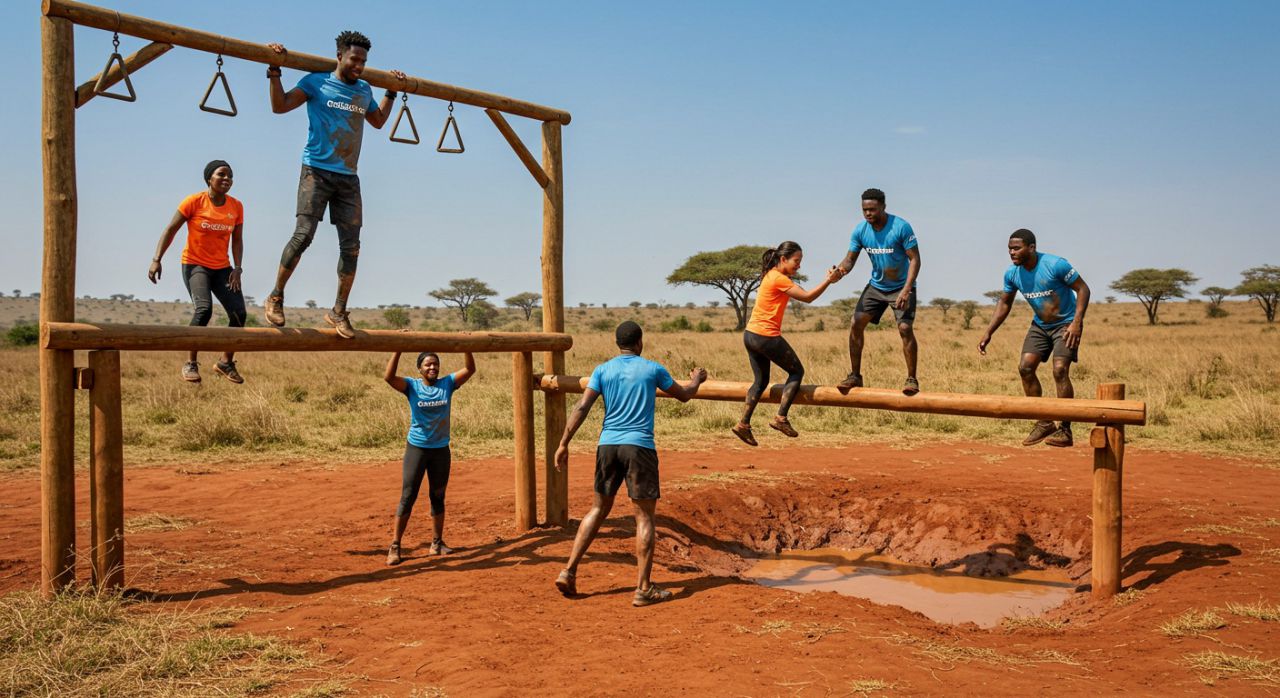
Preparedness Beyond the Reach of Ambulances
When you are miles away from the nearest road in the Kenyan wilderness, a simple injury can quickly become a major crisis. Standard first aid training often assumes that help is just a phone call away, but in the outdoors, you must be prepared for long-term care and evacuation. Our outdoor first aid courses in Nairobi are specifically designed to address these challenges. We provide you with the skills and confidence to manage medical emergencies in remote settings where resources are limited. These outdoor first aid courses are essential for hiking guides, outdoor educators, and anyone who enjoys exploring the remote corners of our beautiful country. By participating in our outdoor first aid courses, you learn how to improvise, prioritize, and make critical decisions under pressure. Get2gether is committed to raising the standard of safety for outdoor activities in Kenya through our rigorous and practical outdoor first aid courses, led by medical professionals with extensive wilderness experience.
Primary Assessment and Life-Saving Interventions
The foundation of our outdoor first aid courses is the primary assessment—a systematic way to identify and treat immediate threats to life. In a remote setting, this process must be thorough and adaptable. We teach the 'MARCH' algorithm (Massive Hemorrhage, Airway, Respiration, Circulation, Hypothermia/Head), which is the gold standard for trauma care in the field. You will learn how to control severe bleeding using tourniquets and pressure dressings, and how to manage a compromised airway in an unconscious patient. Our outdoor first aid courses emphasize the importance of scene safety and personal protection, ensuring you don't become a second casualty. We also cover the nuances of performing CPR in a wilderness context, where the duration of effort may be much longer than in an urban environment. This intense, hands-on training ensures that your response to a crisis is instinctive and effective. By mastering these primary skills, you provide the best possible chance for a positive outcome in any emergency situation near Nairobi or beyond.

Managing Musculoskeletal Injuries and Splinting
Sprains, strains, and fractures are common in the rugged terrain of Kenya. Our outdoor first aid courses provide extensive training on how to stabilize these injuries using both commercial and improvised materials. You will learn how to assess for neurovascular function and how to safely realign certain fractures when necessary for evacuation. We demonstrate how to create high-quality splints using foam pads, branches, and even clothing. The goal is to provide comfort and prevent further damage during transport. Our outdoor first aid courses also cover the management of spinal injuries, teaching you how to perform a 'log roll' and how to decide when spinal immobilization is truly necessary. This practical knowledge is crucial for keeping an injured person stable while you coordinate a rescue. Being able to effectively manage a broken limb can mean the difference between a successful evacuation and a stranded party. This module is a core part of our commitment to practical, real-world wilderness medicine.
Environmental Emergencies: Heat, Cold, and Altitude
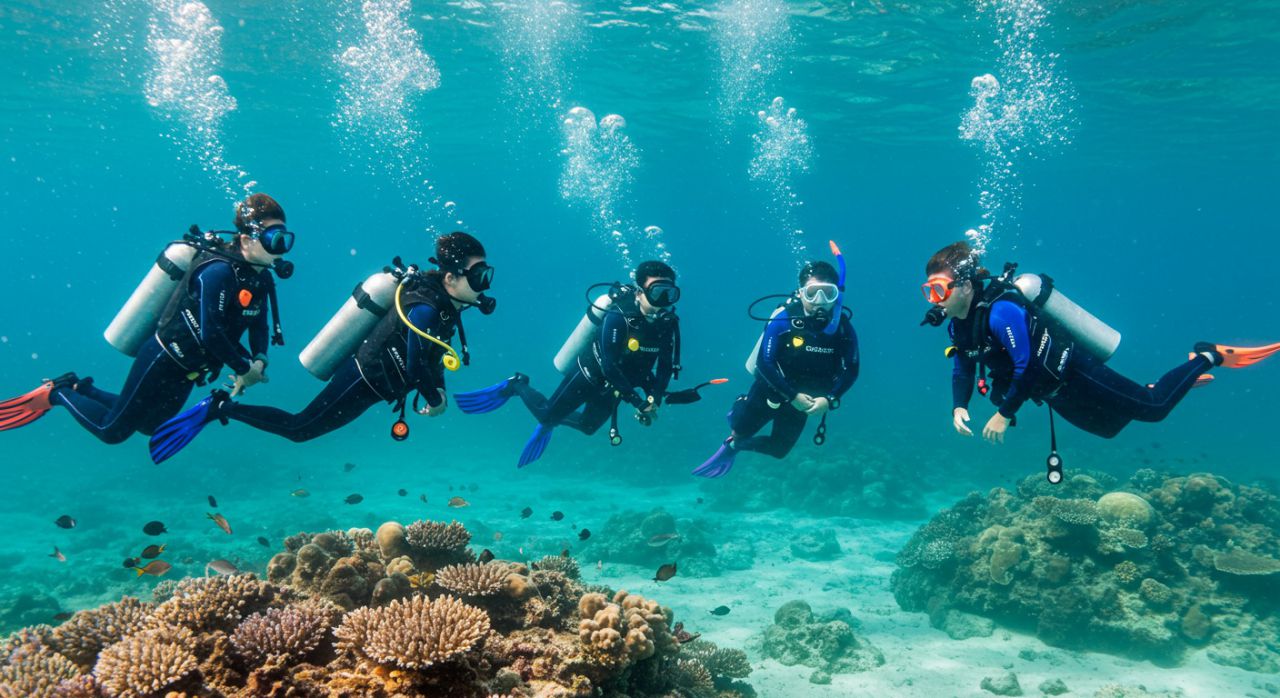
Kenya's diverse climate presents unique medical challenges. Our courses cover the prevention and treatment of heat-related illnesses like heat exhaustion and heatstroke, which are constant risks in our sunny climate. We also discuss hypothermia, which can occur even in Kenya during cold nights or at high altitudes like Mount Kenya. You will learn the 'hypowrap' technique for rewarming a patient in the field. Additionally, we cover altitude sickness, providing you with the knowledge to recognize early symptoms and the protocols for descent and treatment. Understanding these environmental factors is vital for anyone planning high-altitude treks or long-distance hikes.
Bites, Stings, and Wilderness Toxicology
The Kenyan bush is home to various snakes, spiders, and insects. Our training includes a comprehensive module on identifying and treating bites and stings. We dispel common myths and focus on evidence-based treatments, such as the pressure immobilization technique for certain snake bites. You will also learn how to manage severe allergic reactions (anaphylaxis) using epinephrine auto-injectors. We cover the identification of poisonous plants and the management of accidental ingestion. This knowledge is essential for safely navigating areas where medical help for toxins is not immediately available, providing you with a clear plan of action for these high-stress encounters.
Wound Care and Infection Prevention in the Field
In a remote environment, even a small cut can lead to a serious infection if not managed properly. We teach you how to thoroughly clean and debride wounds using irrigation techniques. Our courses cover the different types of dressings and when to use them, as well as the signs of systemic infection that require urgent evacuation. You will learn how to manage burns, blisters, and abrasions to keep them from worsening during your trip. This focus on long-term wound management is a key differentiator between urban first aid and outdoor first aid, ensuring you can maintain the health of your group over several days.
Evacuation Planning and Communication
Deciding whether to 'stay and play' or 'load and go' is one of the toughest choices in wilderness medicine. We provide frameworks for making these decisions based on the patient's condition and the available resources. You will learn how to create a detailed 'S.O.A.P.' note (Subjective, Objective, Assessment, Plan) to communicate clearly with search and rescue teams. We also cover the logistics of building improvised litters and the physical techniques for carrying a patient over rough terrain. Understanding how to coordinate a helicopter evacuation and what information to provide to emergency dispatchers in Nairobi is a vital final step in our training.