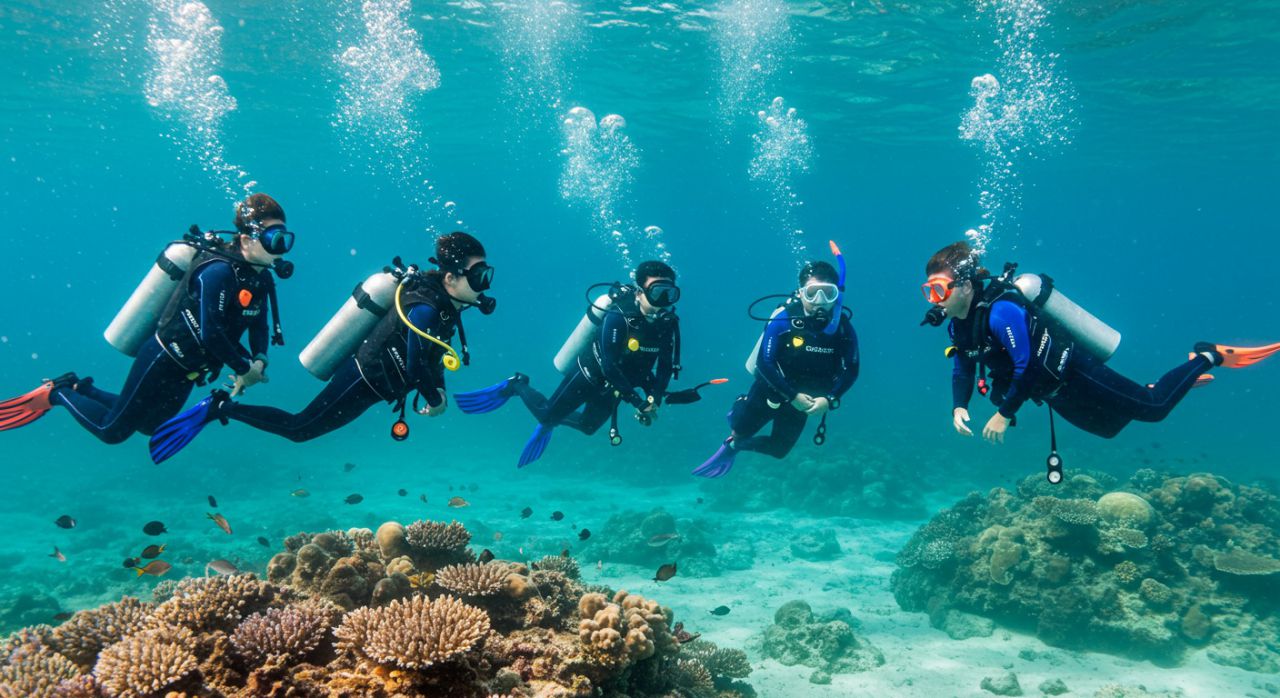
Dive into Adventure: Your Gateway to Nairobi's Underwater World
Embark on an extraordinary journey with Get2gether's curated scuba diving liveaboard trips designed for enthusiasts in Nairobi, Kenya. Imagine waking up to the gentle rocking of the ocean, ready to explore vibrant coral reefs and diverse marine ecosystems teeming with life. Our platform connects you with premier operators offering unparalleled experiences that go beyond a typical day trip. These immersive adventures allow you to maximize your time underwater, visiting multiple dive sites and experiencing the magic of the ocean in its purest form. Get ready for an unforgettable exploration beneath the waves, tailored for both novice and experienced divers seeking thrilling aquatic escapades right here in Kenya.
Why Choose Liveaboard Trips for Your Dive Adventure?
Choosing scuba diving liveaboard trips offers a unique advantage over day dives. You eliminate the daily commute to and from dive sites, maximizing your precious time in the water. Liveaboards provide a comfortable floating hotel, taking you directly to remote and pristine dive locations often inaccessible by day boats. This means encountering untouched coral gardens and a greater diversity of marine life. The journey itself becomes part of the adventure, with stunning ocean vistas and the camaraderie of fellow divers. From the moment you board, you're immersed in a world dedicated to underwater exploration. Our Nairobi-based platform ensures you can easily find and book these comprehensive packages, focusing on safety, comfort, and incredible diving experiences. It's the ultimate way to experience the underwater wonders Kenya has to offer.

What to Expect on a Liveaboard Dive Expedition
A typical experience on scuba diving liveaboard trips involves living aboard a dedicated dive vessel for several days. Your accommodation, meals, and diving activities are all managed onboard. You'll typically start your day with breakfast before heading out for your first dive. After the dive, you return to the boat for debriefing, lunch, and relaxation before the next dive. Evenings are spent enjoying delicious meals, sharing stories with fellow divers, and preparing for the next day's underwater explorations. Many trips include multiple dives per day, often including night dives, allowing for a comprehensive exploration of the marine environment. Get2gether partners with operators who prioritize safety, offering experienced dive masters and well-maintained equipment. These trips are designed to be hassle-free, letting you focus entirely on the breathtaking underwater world.
Discovering Nairobi's Aquatic Treasures
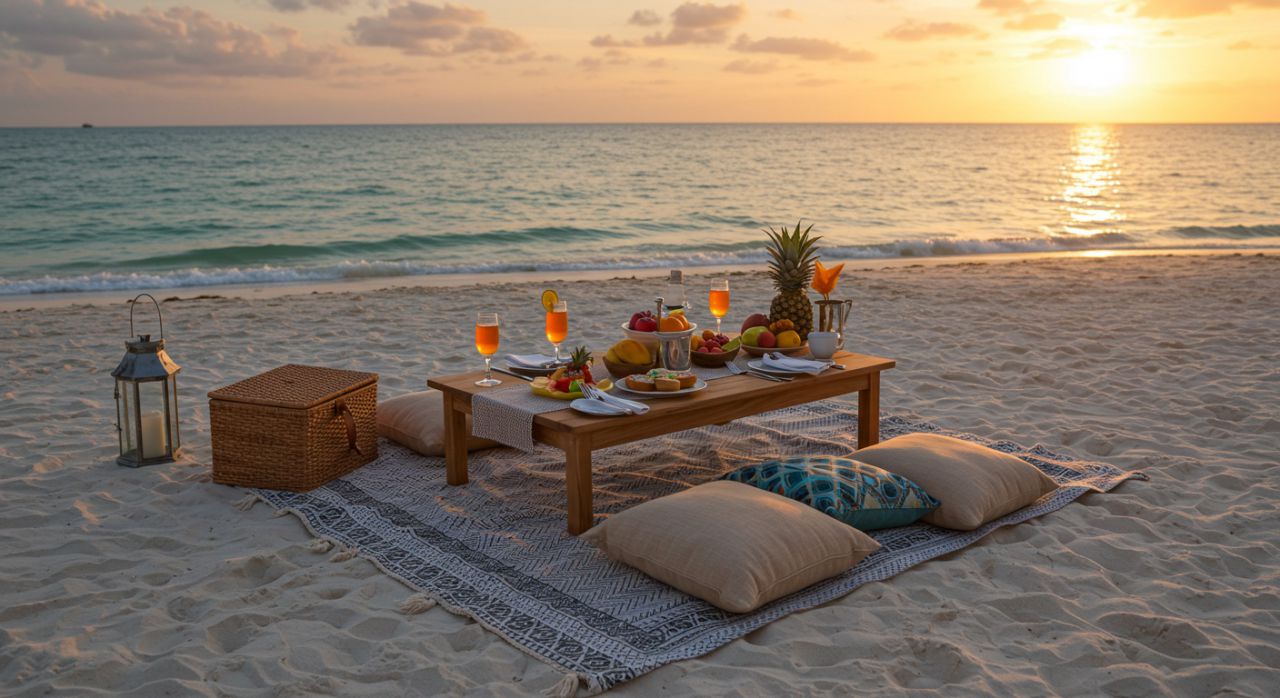
While Nairobi itself is inland, Get2gether facilitates access to Kenya's stunning coastline for exceptional diving. Our platform connects you to liveaboard experiences that explore rich marine national parks and reserves. Imagine descending into crystal-clear waters to witness vibrant coral formations, schools of tropical fish, majestic sea turtles, and perhaps even dolphins or whale sharks depending on the season and location. These areas are protected marine sanctuaries, ensuring the health and abundance of the underwater ecosystems. We work with providers who offer itineraries covering diverse dive sites, from shallow reefs perfect for beginners to deeper walls and drifts for advanced divers. The goal is to provide an immersive experience that showcases the incredible biodiversity of the Indian Ocean off Kenya's coast.
Choosing the Right Liveaboard for You
Selecting the ideal liveaboard trip involves considering your diving experience level and preferences. For beginners, look for trips that offer ample support, perhaps including advanced courses or guided dives on calmer reefs. Experienced divers might seek out trips that venture to more challenging sites with strong currents or deeper exploration opportunities. Consider the duration of the trip, the number of dives typically offered per day, and the type of cuisine served. Get2gether provides detailed information on each operator's offerings, helping you compare itineraries, vessel amenities, and dive site specializations. Our aim is to match you with the perfect adventure, ensuring your scuba diving liveaboard trips are memorable and perfectly suited to your desires. We also highlight options that focus on specific interests like macro photography or wreck diving.
Safety and Environmental Responsibility
Safety is paramount on all scuba diving liveaboard trips. Reputable operators adhere to strict safety protocols, including regular equipment checks, thorough dive briefings, and adherence to dive limits. Divemasters are certified professionals trained to manage dive operations and ensure the well-being of all participants. Furthermore, responsible diving practices are crucial for preserving the delicate marine environments we explore. We partner with operators who are committed to eco-tourism, promoting practices that minimize impact on coral reefs and marine life. This includes avoiding touching or disturbing marine creatures, proper waste disposal, and educating divers on conservation efforts. When you book through Get2gether, you can be confident that you are choosing operators who prioritize both your safety and the health of our oceans.
Booking Your Ultimate Dive Getaway with Get2gether
Ready to experience the thrill of exploring Kenya's underwater world on an extended dive adventure? Get2gether makes booking your scuba diving liveaboard trips seamless and stress-free. Browse our selection of curated packages, compare itineraries, and find the perfect liveaboard that matches your diving aspirations and budget. Our platform provides all the necessary details, from dive site descriptions to accommodation specifics and operator credentials. Planning a unique corporate retreat or a special celebration? Liveaboard trips offer an exclusive and engaging experience. Contact us today to discuss personalized packages or to book your spot on an upcoming expedition. Let Get2gether be your trusted partner in discovering the hidden aquatic gems of Kenya.