Collaborative Challenges Near the Ground
In Nairobi, businesses are increasingly recognizing the value of practical, collaborative exercises for team development. A low ropes course team building event offers a fantastic opportunity for employees to connect and grow. Conducted closer to the ground, these courses focus on strategic thinking, communication, and mutual reliance. Participants work together to overcome a series of interconnected challenges. Get2gether excels at designing and facilitating these engaging events in Kenya's capital. Our low ropes course team building activities are perfect for fostering a supportive environment where every team member can contribute and learn. Discover how these ground-level challenges can elevate your team's performance.
The Unique Advantages of Low Ropes Courses
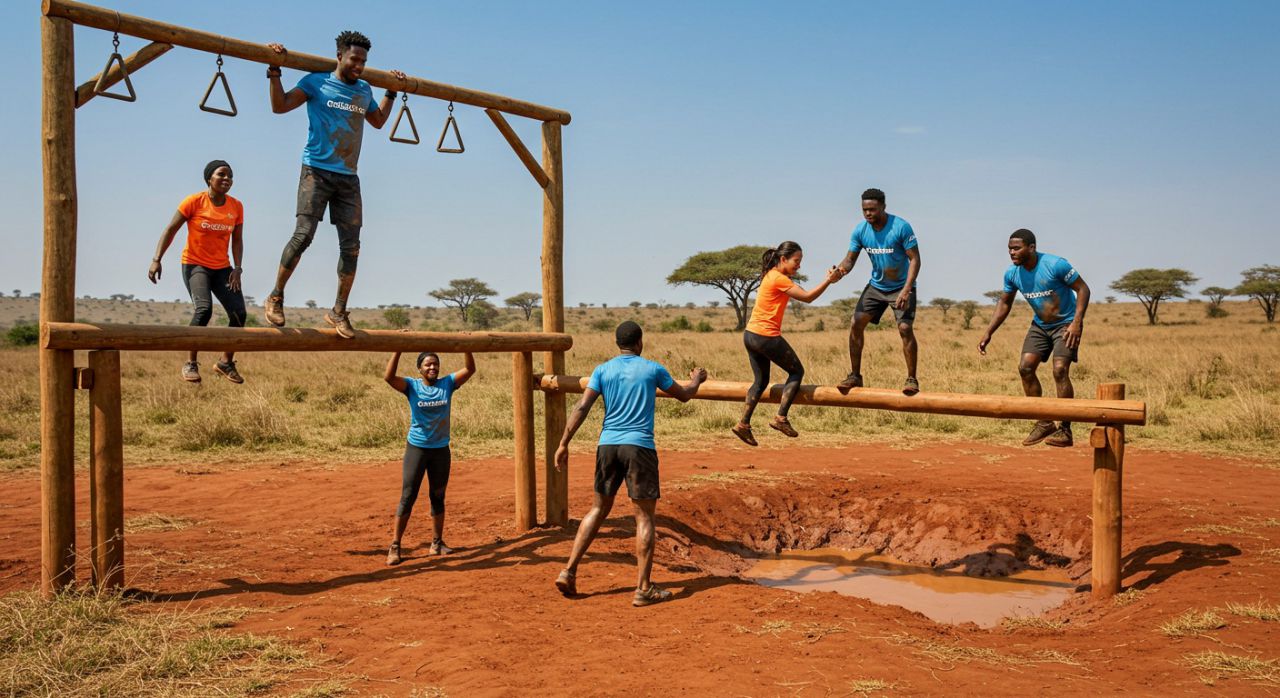
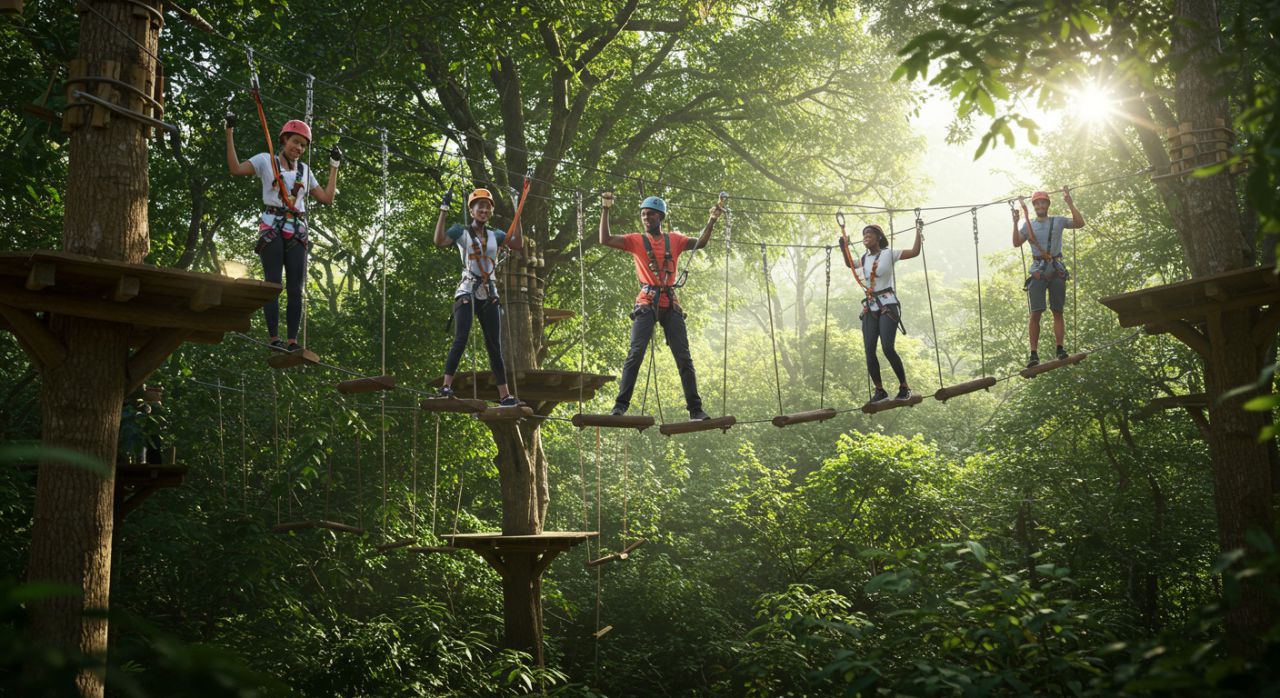
Unlike high ropes, low ropes course team building activities are typically set just a few feet off the ground. This accessible format makes them ideal for a wider range of participants, including those who may be hesitant about heights. The focus shifts from overcoming fear of falling to mastering intricate challenges through teamwork. These courses emphasize strategic planning, creative problem-solving, and effective communication. Elements might include navigating complex arrangements of ropes, planks, or nets that require synchronized effort. Participants learn to trust each other's judgment and rely on collective intelligence. This fosters a strong sense of camaraderie and shared accomplishment.
Key Skills Developed Through Low Ropes
A well-facilitated low ropes course team building session yields significant benefits. Firstly, it enhances communication. Participants must articulate ideas clearly and listen actively to coordinate actions. Secondly, problem-solving skills are honed. Groups need to analyze challenges and devise effective strategies using limited resources. Thirdly, trust is built as team members depend on each other to complete tasks. Fourthly, leadership qualities can emerge naturally as individuals take initiative. Fifthly, it promotes collaboration and cooperation. Success is rarely achieved alone. Finally, these activities build resilience and adaptability. Teams learn to adjust their approach when initial strategies don't work.
Designing Your Ideal Low Ropes Event in Nairobi

Get2gether crafts bespoke low ropes course team building experiences in Nairobi. We start by understanding your company's unique needs and goals. Based on this, we select the most appropriate course elements and structure the day. Our expert facilitators guide your team through each challenge. They ensure everyone participates actively and learns from the experience. Safety is always a primary concern, even at lower heights. We manage all logistical details, including venue selection, transportation, and catering. This allows you and your team to focus entirely on the activities and the benefits they bring.
Examples of Low Ropes Course Activities
Low ropes courses feature a variety of engaging elements designed for collaboration. Examples include the 'Spider Web', where the entire team must pass through a net without touching the strands. The 'Nitro Crossing' requires teams to move everyone across a designated area using only specific equipment. 'All Aboard' challenges the group to fit onto a small platform simultaneously. Other activities might involve navigating a series of suspended logs or balancing beams. Each element is designed to encourage discussion, planning, and synchronized action. These activities make low ropes course team building incredibly effective for developing practical team skills.
Facilitation and Debriefing for Maximum Impact
The effectiveness of any low ropes course team building event hinges on skilled facilitation and debriefing. Our facilitators are trained to guide participants through the challenges. They observe team dynamics and provide constructive feedback. Crucially, they lead post-activity debrief sessions. During these sessions, participants reflect on what happened, how they worked together, and what they learned. This reflection process connects the on-course experiences to real-world workplace situations. It helps solidify the learning and ensures the benefits are transferable. This makes the investment in team building truly impactful for your Nairobi-based organization.
Choosing the Right Venue and Logistics
Selecting the right venue is key for a successful low ropes course team building event. Nairobi offers various locations, from dedicated adventure parks to serene natural settings that can accommodate these activities. Get2gether handles all the logistical planning. This includes securing the venue, arranging transportation, and organizing catering. We ensure the chosen location is safe, accessible, and provides an appropriate environment for your team. Our comprehensive planning ensures a seamless and stress-free experience, allowing your team to fully engage with the activities.