
Mastering Complex Challenges Through Collaborative Effort
In the modern corporate world, the ability to navigate challenges is a key differentiator for successful teams. Finding the best team building for problem solving is essential for organizations in Nairobi that want to foster innovation and resilience. At Get2gether, we specialize in creating environments where teams can test their critical thinking and collaborative skills in a safe yet challenging setting. The best team building for problem solving goes beyond simple games; it involves complex simulations that mirror real-world business obstacles. By engaging in the best team building for problem solving, your employees learn to approach problems from multiple angles, value diverse perspectives, and reach consensus under pressure. Our programs in Nairobi are led by expert facilitators who guide teams through the process of identification, analysis, and resolution. When you invest in the best team building for problem solving, you are equipping your workforce with the mental tools necessary to overcome any hurdle. Let Get2gether help you discover the best team building for problem solving activities that will transform your team into a powerhouse of innovation and efficiency.
The Mechanics of Effective Problem-Solving Activities
The best team building for problem solving is built on a foundation of structured challenges that require both individual logic and group synergy. These activities often start with a seemingly impossible task that can only be solved through clear communication and the pooling of resources. In Nairobi, we utilize a variety of scenarios, from high-tech escape rooms to outdoor survival simulations, to provide the best team building for problem solving. The mechanics involve setting clear constraints—such as limited time or restricted information—to force participants out of their comfort zones. This pressure reveals the natural problem-solving styles of team members, allowing the facilitator to provide constructive feedback. The best team building for problem solving ensures that every participant has a role to play, emphasizing that no single person has all the answers. By working through these mechanics, teams develop a systematic approach to obstacles that they can take back to the office. Whether it is a logic puzzle or a construction challenge, the best team building for problem solving emphasizes the process over the result, teaching teams how to think rather than what to think. This focus on methodology is what makes our programs in Nairobi so effective for long-term professional development.
Why Critical Thinking Matters in the Nairobi Market
Nairobi is a hub of innovation and rapid growth, which means businesses here face unique and fast-evolving challenges. This environment demands the best team building for problem solving to ensure that teams can adapt quickly. Critical thinking is not just about finding a solution; it is about finding the most efficient and sustainable one. The best team building for problem solving encourages employees to question assumptions and look for creative alternatives. In a competitive market, the ability to out-think the opposition is a major advantage. By choosing the best team building for problem solving, you are investing in your team's ability to handle the complexities of the Kenyan business landscape. Our activities are designed to stimulate the brain and encourage 'out-of-the-box' thinking. We often incorporate elements of local business scenarios into our challenges to make them more relevant. The best team building for problem solving helps to break down rigid hierarchies, allowing the best ideas to rise to the top regardless of seniority. This culture of open, critical inquiry is vital for any organization aiming to lead in its sector. Get2gether provides the platform and expertise to cultivate this mindset through the best team building for problem solving programs available in the city.
Collaborative Escape Rooms and Logic Puzzles

One of the most popular and effective formats for problem-solving is the escape room. These immersive experiences require teams to find clues, solve puzzles, and complete tasks within a set timeframe. This is often cited as the best team building for problem solving because it perfectly mimics the high-pressure, time-sensitive nature of corporate projects. In Nairobi, we have developed several custom escape scenarios that can be set up at your chosen venue. These rooms are designed to test different cognitive skills, including mathematical logic, spatial awareness, and linguistic patterns. Beyond the fun, the real value lies in the debrief session, where teams analyze how they shared information and handled setbacks. Logic puzzles and tabletop simulations are also highly effective for smaller groups or indoor settings. These activities focus on resource management and strategic planning. By engaging in these types of challenges, teams learn to identify the strengths of each member and delegate tasks accordingly. This realization that the team is stronger than the sum of its parts is a key outcome of the best team building for problem solving.
Outdoor Strategic Simulations
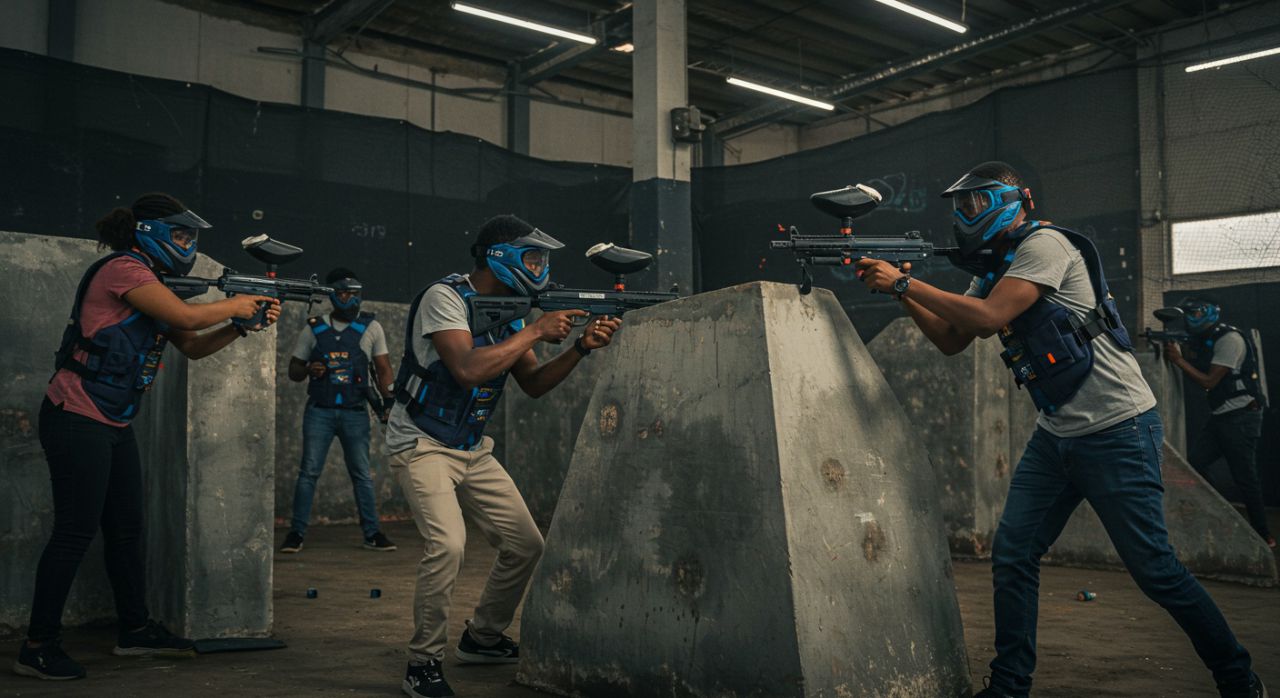
For teams that enjoy a more active environment, outdoor strategic simulations offer a fantastic way to build problem-solving skills. These activities often involve navigating through a series of physical and mental checkpoints. The best team building for problem solving in an outdoor setting might include building a functional raft with limited materials or navigating a complex 'minefield' blindfolded. These tasks require high levels of trust and extremely clear communication. Being in the fresh air of Nairobi's beautiful outdoor spaces also helps to clear the mind and boost creativity. Outdoor challenges often require teams to adapt to changing environmental factors, such as terrain or weather, which mirrors the unpredictability of the business world. Facilitators watch closely to see how leadership shifts as the nature of the challenge changes. This dynamic environment is perfect for identifying flexible thinkers and resilient leaders. By the end of the day, teams have not only solved a series of difficult problems but have also built a deeper level of mutual respect and understanding.
The Role of the Facilitator in Problem Solving
A key component of the best team building for problem solving is expert facilitation. A facilitator does more than just explain the rules; they act as a guide and observer. During the activities, they may introduce 'curveballs' to test the team's adaptability. After the challenge is complete, the facilitator leads a structured reflection. This is where the real learning happens. They ask probing questions that help the team identify what worked, what didn't, and why. This process of reflection is what turns a simple game into a powerful learning experience. Without a professional facilitator, a team building event might be fun, but it won't necessarily lead to behavioral change. In Nairobi, Get2gether works with the most experienced facilitators who understand group psychology and corporate dynamics. They ensure that the best team building for problem solving is a transformative experience that provides actionable insights. By highlighting the communication patterns and decision-making processes observed during the day, facilitators help teams build a roadmap for better collaboration in the workplace.
Translating Team Building Success to the Workplace
The ultimate test of the best team building for problem solving is how it impacts the daily operations of your business. The goal is to see the strategies and mindsets developed during the retreat applied to real-world projects. Teams that have undergone professional problem-solving training are generally more confident in tackling new challenges. They are less likely to get bogged down in conflict and more likely to look for collaborative solutions. This leads to faster project completion times and higher quality output. In the long run, the best team building for problem solving helps to build a culture of continuous improvement. Employees feel empowered to suggest changes and solve problems proactively rather than waiting for instructions. This shift from a reactive to a proactive mindset is incredibly valuable for any organization in Nairobi. At Get2gether, we provide follow-up resources to help management sustain the momentum generated during the event. By making problem-solving a core part of your team's identity, you are ensuring the long-term success and agility of your organization in an ever-changing market.