
Elevating Collaboration Through Competitive Racing
In the modern corporate world, effective teamwork is the engine that drives success. At Get2gether, we have pioneered a unique approach to professional development through team building racing strategy games. These activities are designed to take your team out of the office and onto the track, where they must collaborate under pressure to achieve a common goal. Based in Nairobi, our programs use the high-stakes world of motorsports to teach vital business lessons in a way that is both engaging and memorable. By participating in team building racing strategy games, employees learn to communicate more effectively, manage resources wisely, and make quick decisions in a changing environment. This isn't just about who can drive the fastest; it is about the strategy behind the win. Our expert facilitators guide each session to ensure that the lessons learned on the track are directly applicable to the challenges faced in the workplace. Discover how team building racing strategy games can transform your workforce into a cohesive and high-performing unit ready to tackle any obstacle.
The Importance of Strategy in Team Success
While speed is a factor in any race, it is the strategy that ultimately determines the winner. In our team building racing strategy games, we emphasize the mental aspect of competition. Teams are tasked with developing a comprehensive plan that includes fuel management, tire wear, and driver changes. This mirrors the strategic planning required in corporate projects where resources are limited and timing is everything. Participants must analyze the track conditions and the performance of their competitors to make informed choices. This process encourages critical thinking and helps team members understand the importance of looking at the 'big picture'. In Nairobi, our racing simulations provide a safe yet realistic environment for testing these skills. As teams work through the team building racing strategy games, they begin to see how individual roles contribute to the overall success of the group. A driver cannot win without an efficient pit crew, and a pit crew cannot perform without clear instructions from the strategist. This interdependence is a core lesson that we reinforce throughout the day. By the end of the session, your team will have a deeper appreciation for the strategic planning process and how it can be used to achieve superior results in their daily work.
Enhancing Communication Under Pressure
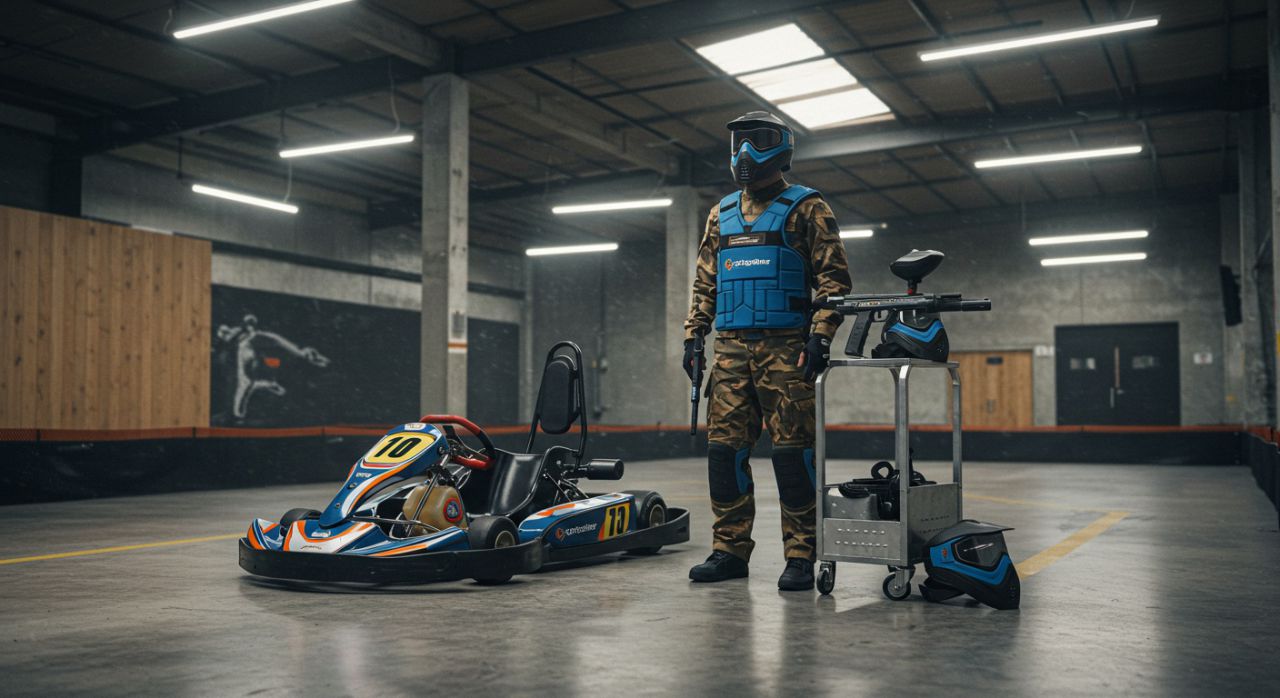
Effective communication is often the first thing to break down in a high-pressure environment. Our team building racing strategy games are specifically designed to test and improve how your team shares information. When a car is on the track and seconds matter, there is no room for ambiguity. Participants must use clear, concise, and accurate language to coordinate their efforts. This is especially true during pit stops, where multiple people must perform complex tasks in perfect synchronization. In Nairobi, we use radio headsets and real-time data to simulate the communication challenges of a professional racing team. Through team building racing strategy games, team members learn to listen actively and respond appropriately to urgent requests. They also learn the value of 'closed-loop' communication, ensuring that every message is received and understood. These skills are directly transferable to the office, where clear communication can prevent costly mistakes and improve efficiency. Our facilitators provide feedback on communication patterns observed during the games, helping teams identify areas for improvement. By practicing these skills in a fun and competitive setting, employees are more likely to retain and apply them in their professional lives. This makes team building racing strategy games one of the most effective tools for improving organizational communication.
Resource Management and Decision Making

In business, as in racing, managing resources effectively is crucial for long-term sustainability. Our team building racing strategy games introduce participants to the concepts of resource allocation and trade-offs. Should the team push for a faster lap time now at the cost of higher tire wear later? Should they pit for fuel early to avoid traffic? These are the types of decisions that teams must grapple with in our simulations. This aspect of team building racing strategy games teaches employees to weigh the pros and cons of different actions and make data-driven decisions. In Nairobi, we provide teams with performance data that they must interpret to guide their strategy. This encourages a more analytical approach to problem-solving and reduces the reliance on guesswork. Furthermore, the fast-paced nature of the games requires teams to make these decisions quickly. This helps build confidence in their ability to handle high-pressure situations in the workplace. By learning to manage the 'resources' of the race, participants gain a better understanding of how to manage time, budget, and personnel in their corporate roles. This practical application of business principles is what makes our team building racing strategy games so valuable for professional development.
Role Specialization and Mutual Trust
A successful racing team is composed of individuals with specialized roles who trust each other implicitly. Our team building racing strategy games highlight the importance of role clarity and trust. Each team member is assigned a specific responsibility, whether it is driving, managing the pit crew, or analyzing lap times. For the team to succeed, everyone must perform their role to the best of their ability and trust that their colleagues are doing the same. This fosters a sense of accountability and mutual respect within the group. In Nairobi, we often see that team building racing strategy games help reveal the hidden strengths of participants. Someone who is quiet in the office might turn out to be a brilliant strategist on the track. This discovery can lead to more effective team configurations back at work. Trust is built through shared success and the knowledge that everyone is working toward the same goal. When a team successfully executes a complex pit stop or wins a race through a clever strategic move, the bond between members is significantly strengthened. This sense of unity is a powerful motivator that can drive performance long after the event has ended. Our team building racing strategy games provide the perfect platform for building this essential foundation of trust.
Adapting to Real-Time Challenges
The only constant in racing is change. Track conditions, weather, and the actions of other teams can all disrupt a well-laid plan. Our team building racing strategy games teach teams how to be agile and adapt to real-time challenges. This is a vital skill in the modern business world, where market conditions can shift overnight. Participants must learn to remain calm under pressure and adjust their strategy on the fly. In Nairobi, we introduce unexpected variables into the games to keep teams on their toes. This might include a simulated mechanical issue or a sudden change in the race rules. Through team building racing strategy games, teams practice the art of 'pivoting'—changing direction without losing momentum. This builds resilience and encourages a proactive rather than reactive mindset. Employees who have learned to adapt on the racetrack are better equipped to handle project delays, budget cuts, or shifts in company strategy. They learn that a setback is not a failure, but an opportunity to find a new way forward. This growth mindset is one of the most significant benefits of participating in our team building racing strategy games. It empowers your workforce to embrace change and navigate uncertainty with confidence.
Post-Race Analysis and Workplace Integration
The learning doesn't stop when the checkered flag drops. A critical component of our team building racing strategy games is the post-race debrief. We lead teams through a detailed analysis of their performance, looking at what went well and what could have been done differently. This reflective practice is common in professional motorsports and is equally valuable in business. In Nairobi, our facilitators help teams draw direct parallels between their experiences on the track and their roles in the office. This ensures that the lessons learned during the team building racing strategy games are not forgotten once the adrenaline wears off. We discuss how improved communication could have prevented a pit stop error or how better resource management could have led to a higher finish. These insights are then translated into actionable steps that the team can implement back at work. This focus on integration is what makes Get2gether's programs so effective. We don't just provide a fun day out; we provide a transformative learning experience. By the end of the day, your team will have a clear understanding of how to apply racing strategies to achieve corporate excellence. This makes team building racing strategy games a smart investment for any organization looking to gain a competitive edge in the Kenyan market.