Transforming Nairobi Through Collective Creativity
Public art has the unique power to redefine urban spaces and foster a sense of community pride. At Get2gether, our public art workshop in Nairobi is designed to empower artists and citizens alike to contribute to the city's visual landscape. By participating in a public art workshop, you will explore the intersection of personal expression and civic engagement. Our sessions provide a comprehensive overview of what it takes to create impactful art in shared spaces. From murals to sculptures, the public art workshop covers various mediums that can withstand the outdoor environment. We believe that everyone has a role to play in beautifying our city, and this public art workshop is the perfect starting point. Join us as we explore how a public art workshop can create a lasting legacy for the people of Nairobi, making art accessible to everyone who walks our streets.
The Role and Impact of Art in Public Spaces
Art in public spaces serves as a mirror to society, reflecting its values, struggles, and aspirations. In our public art workshop, we begin by discussing the historical and contemporary significance of public art in Nairobi. We look at how art can revitalize neglected areas and provide a sense of identity to diverse neighborhoods. The public art workshop encourages participants to think about the social responsibility that comes with creating art for the public eye. By understanding the impact of your work, you can create pieces that resonate deeply with the community. We explore case studies of successful public art projects from around the world and analyze their local relevance. This public art workshop session is crucial for developing a thoughtful approach to urban intervention. We discuss how public art can provoke thought, inspire change, and simply bring joy to everyday life. By participating in the public art workshop, you gain a deeper appreciation for the role of the artist as a community builder. We provide a platform for dialogue and reflection, ensuring that your creative contributions are both meaningful and respectful of the local context. This foundational understanding sets the stage for the practical work that follows in the workshop.
Planning and Conceptualizing Large-Scale Projects
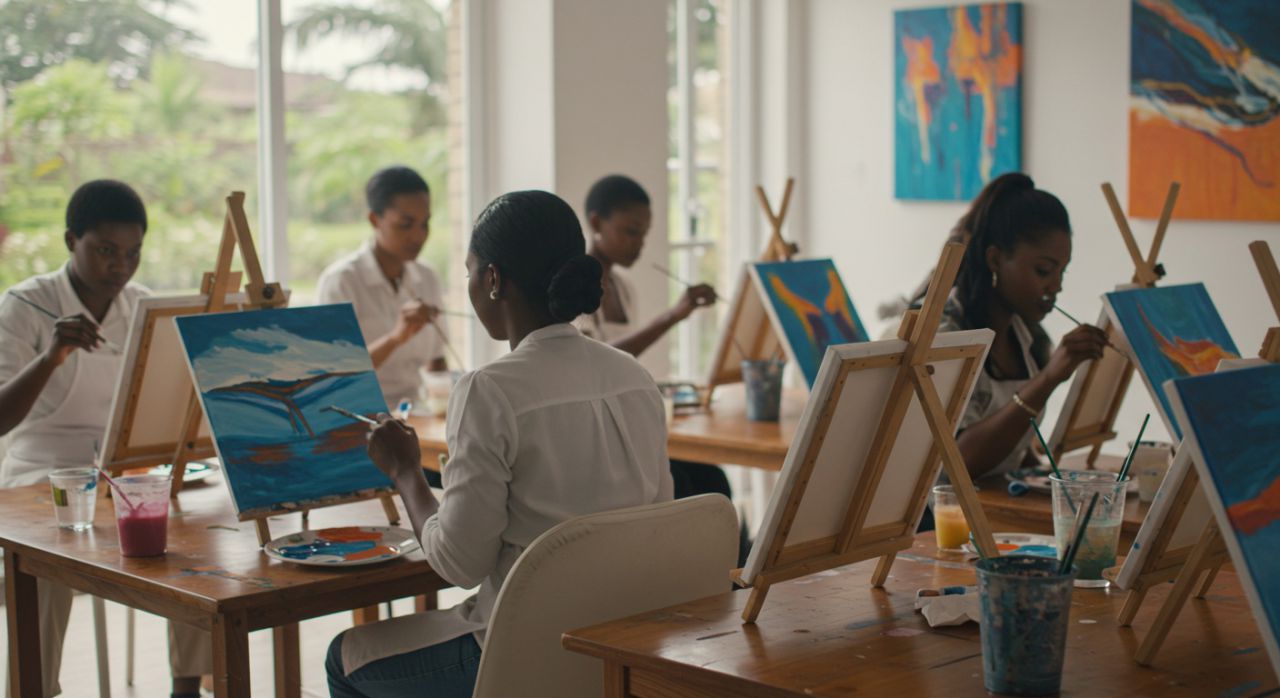
Creating art for a public space requires meticulous planning and a clear vision. During the public art workshop, we guide you through the process of conceptualizing projects that are appropriate for their intended site. This involves analyzing the physical characteristics of the location, such as size, lighting, and pedestrian flow. The public art workshop teaches you how to create scale models and detailed sketches to communicate your ideas. We also discuss the importance of theme and narrative in public art, ensuring that your work tells a story that is relevant to Nairobi. Planning also includes budgeting and resource management, which are essential skills for any professional artist. In the public art workshop, you will learn how to source materials that are both cost-effective and durable. We emphasize the need for a realistic timeline and the ability to adapt to unforeseen challenges. By the end of this session in the public art workshop, you will have a comprehensive project plan that is ready for execution. Our instructors provide personalized feedback to help you refine your concepts and ensure they are feasible. This structured approach to creativity is what distinguishes a successful public art project from a simple decorative piece. We empower you to think big while staying grounded in the practicalities of urban art production.
Community Consultation and Engagement Strategies
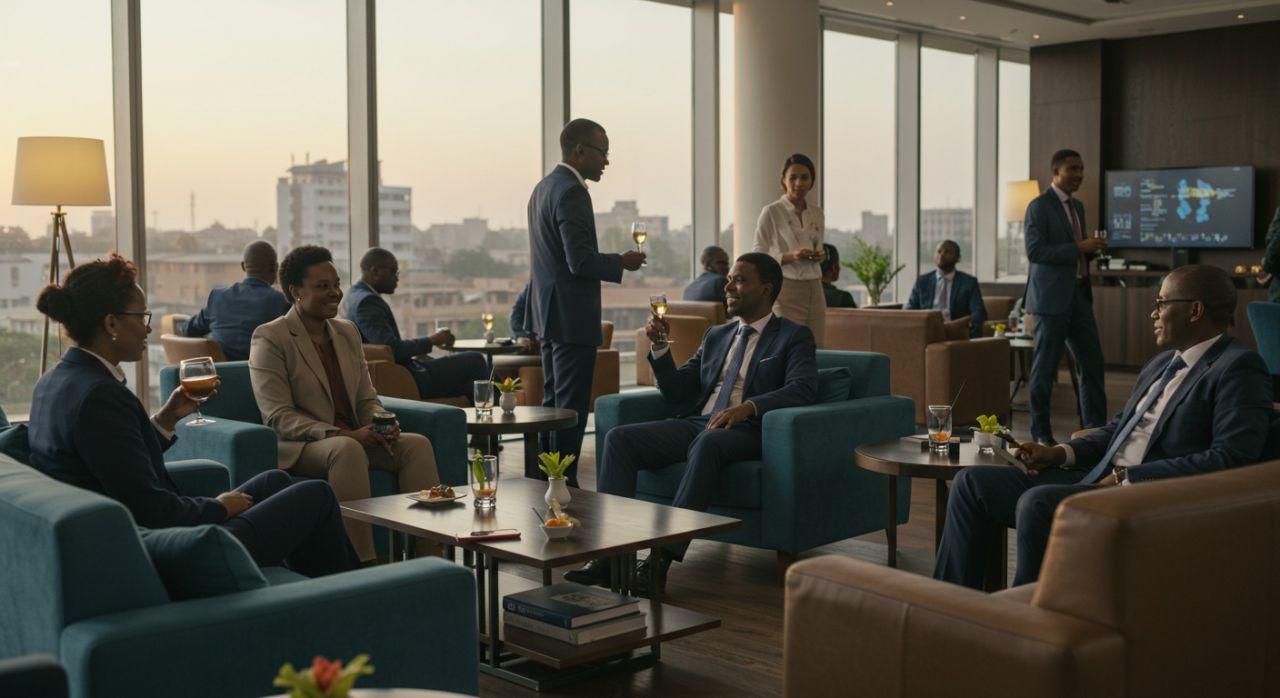
One of the most important aspects of public art is the involvement of the community. Our public art workshop emphasizes the need for consultation and collaboration with local residents. You will learn techniques for gathering input and building support for your projects in Nairobi. The public art workshop explores how to host community meetings and workshops to ensure that the art reflects the desires of the people who will live with it every day. This inclusive approach fosters a sense of ownership and reduces the risk of vandalism or neglect. We discuss the ethics of community engagement and how to navigate diverse perspectives. The public art workshop provides practical exercises in active listening and collaborative design. By involving the community, your art becomes a collective achievement rather than a solitary statement. This process not only improves the final outcome but also strengthens social bonds within the neighborhood. We share success stories from Nairobi where community-led art projects have had a transformative effect. In the public art workshop, you will gain the skills needed to be a facilitator as well as an artist. This holistic approach ensures that your work is integrated into the social fabric of the city, making it a true asset to the public realm.
Navigating Permits and Legal Requirements in Nairobi
Executing a public art project in Nairobi involves navigating a variety of legal and administrative hurdles. In our public art workshop, we provide practical advice on how to obtain the necessary permits and approvals from local authorities. We discuss the importance of understanding zoning laws, safety regulations, and property rights. The public art workshop covers how to draft contracts and agreements with sponsors, property owners, and government agencies. This knowledge is essential for ensuring that your project is legally sound and protected. We provide templates and resources to help you navigate the bureaucracy of city planning. Understanding these requirements from the outset can save you time and prevent costly mistakes. The public art workshop also touches upon insurance and liability, which are crucial considerations for large-scale installations. By mastering the administrative side of public art, you can focus more on your creative work with peace of mind. Our experts share their experiences in dealing with local government and provide tips for building positive relationships with officials. This segment of the public art workshop is invaluable for anyone looking to professionalize their public art practice. We believe that being a successful artist in the public sphere requires being a savvy project manager as well.
Techniques for Durability and Weatherproofing
Public art is exposed to the elements, which means it must be built to last. Our public art workshop focuses on the technical aspects of creating durable works that can withstand Nairobi's sun, rain, and dust. We explore different types of paints, sealants, and construction materials that are designed for outdoor use. The public art workshop provides hands-on demonstrations of application techniques that ensure longevity. You will learn how to prepare surfaces properly to prevent peeling and fading over time. We also discuss the importance of maintenance and how to create a plan for the long-term care of your artwork. In the public art workshop, we emphasize the use of high-quality materials that are resistant to environmental damage. This technical knowledge is essential for protecting your investment and ensuring that your work remains vibrant for years to come. We also look at how to design structures that are resistant to physical wear and tear. By the end of this session, you will have a toolkit of techniques for creating resilient art. The public art workshop ensures that your creative vision is backed by solid craftsmanship. We want your contributions to Nairobi's public space to be a lasting source of inspiration and beauty for the entire community.
Documenting and Evaluating Public Art Impact
The final stage of a public art project is documenting its creation and evaluating its impact on the community. In our public art workshop, we teach you how to capture high-quality photos and videos of your work in its urban context. This documentation is vital for your portfolio and for sharing the story of the project with a wider audience. The public art workshop also explores methods for assessing the social and economic impact of public art. You will learn how to collect feedback from the community and measure changes in the perception of the space. This data is invaluable for securing future funding and support for your projects in Nairobi. We discuss how to use social media and traditional press to amplify the reach of your work. The public art workshop encourages you to reflect on the process and identify areas for improvement in future projects. By understanding the broader effects of your art, you can become a more effective advocate for the importance of creativity in urban development. This final session in the public art workshop brings everything together, helping you to see your work as part of a larger movement for positive change. We are committed to helping you build a successful and meaningful career in public art, contributing to the vibrant cultural life of Nairobi.