
Creating Beauty While Protecting Our Planet
Environmental awareness is more important than ever, and at Get2gether, we believe that artists have a vital role to play in the green movement. Our sustainable art workshop in Nairobi is designed for those who want to create beautiful work without harming the environment. By participating in a sustainable art workshop, you will learn how to choose materials and techniques that are eco-friendly and socially responsible. We explore the principles of the circular economy and how they can be applied to the creative process. This sustainable art workshop is perfect for artists of all levels who are looking to reduce their carbon footprint and promote sustainability through their work. Join us in Nairobi as we explore the intersection of creativity and conservation in our sustainable art workshop, and discover how your art can be a force for positive environmental change.
Foundations of Sustainability in the Arts
The first step in our sustainable art workshop is understanding what sustainability means in the context of art. We discuss the environmental impact of traditional art materials, such as toxic paints and non-recyclable plastics. In the sustainable art workshop, we explore alternatives that are safer for both the artist and the planet. We look at the life cycle of an artwork, from the sourcing of raw materials to its eventual disposal. This holistic view helps participants make more informed choices about their practice. The sustainable art workshop also touches upon the social aspects of sustainability, such as fair trade and ethical sourcing. We discuss how artists in Nairobi can support local communities and promote social justice through their work. By building this foundational knowledge, the sustainable art workshop empowers you to create with a clear conscience. We provide a wealth of resources and information on eco-friendly art practices from around the world. This session is designed to inspire you to think differently about your creative process and its impact on the world. Our sustainable art workshop is not just about making art; it is about making a difference through art. We believe that sustainability is not a limitation, but a catalyst for innovation and creativity.
Upcycling and Repurposing Urban Waste
One of the most exciting aspects of our sustainable art workshop is the focus on upcycling. Nairobi generates a significant amount of waste, and much of it can be transformed into stunning art pieces. During the sustainable art workshop, we teach you how to see the potential in discarded items like plastic bottles, scrap metal, and old textiles. We provide hands-on training in techniques for cleaning, preparing, and assembling these materials. The sustainable art workshop encourages you to experiment with different textures and forms, pushing the boundaries of what is considered 'trash'. By upcycling, you not only reduce waste but also create unique and meaningful work. This part of the sustainable art workshop is a favorite among participants as it challenges them to think creatively about the objects they encounter every day. We share success stories of famous upcycling artists and analyze their techniques. The sustainable art workshop provides all the tools and safety equipment needed to work with repurposed materials. By the end of this session, you will have a new appreciation for the value of waste and the power of transformation. This practical experience is a core component of the sustainable art workshop, making eco-friendly art accessible and fun for everyone.
Creating Natural Pigments and Eco-Friendly Dyes
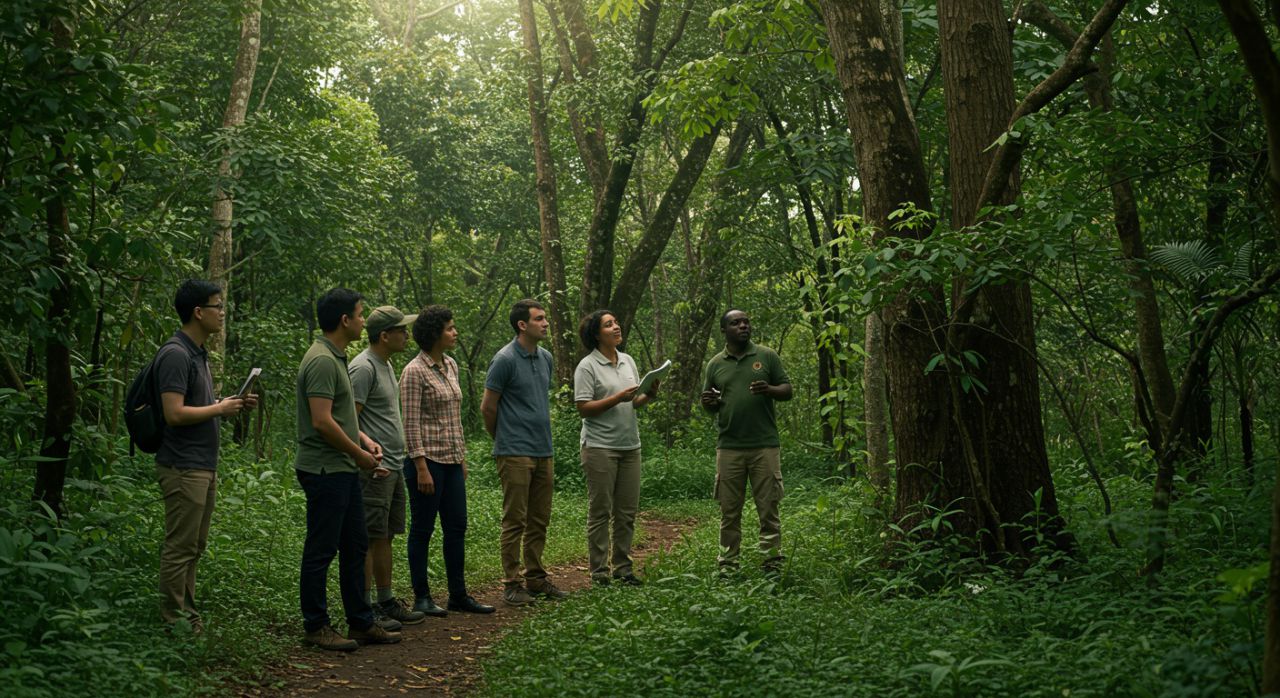
Traditional paints and dyes often contain harmful chemicals that can be damaging to the environment. In our sustainable art workshop, we teach you how to create your own pigments and dyes from natural sources. We explore the use of plants, minerals, and even food waste to create a vibrant palette of colors. This sustainable art workshop session includes a foraging walk in Nairobi to identify local plants that can be used for dyeing. You will learn the science of mordants and how to fix colors naturally. The sustainable art workshop provides recipes and techniques for making watercolors, oil paints, and fabric dyes that are completely non-toxic. This knowledge allows you to create art that is truly connected to the earth. We also discuss the historical use of natural pigments in Kenyan culture and how to incorporate these traditions into modern art. The sustainable art workshop encourages you to experiment with different combinations and see the unique results. By making your own materials, you gain a deeper connection to your work and a greater sense of self-sufficiency. This segment of the sustainable art workshop is both educational and deeply satisfying, offering a more mindful approach to color and materiality.
Reducing the Artistic Carbon Footprint
Every artistic project has a carbon footprint, and in our sustainable art workshop, we look at ways to minimize it. We discuss the energy consumption involved in studio practice and how to make more efficient use of resources. The sustainable art workshop covers topics like waste reduction, water conservation, and the use of renewable energy. We also explore the impact of shipping and transportation in the art world and how to promote local art markets in Nairobi. By participating in the sustainable art workshop, you learn practical tips for making your studio more eco-friendly. We discuss the importance of digital tools and how they can be used to reduce material waste. The sustainable art workshop also encourages you to think about the longevity of your work and how to avoid creating 'disposable' art. We provide a checklist for assessing the environmental impact of your projects. This session is about empowering you to take control of your impact and lead by example. The sustainable art workshop promotes a culture of responsibility and mindfulness within the creative community. We believe that by making small changes in our practice, we can collectively make a large impact on the health of our planet.
Ethical Sourcing and Supporting Local Producers
Where you get your materials matters, and our sustainable art workshop emphasizes the importance of ethical sourcing. We look at how to find suppliers in Nairobi who prioritize environmental and social responsibility. The sustainable art workshop teaches you how to ask the right questions about the origin and production of your materials. We discuss the benefits of supporting local artisans and producers, which reduces transportation emissions and strengthens the local economy. By participating in the sustainable art workshop, you learn how to build a network of ethical suppliers who share your values. We also explore the use of certified sustainable materials, such as FSC-certified wood and organic textiles. The sustainable art workshop provides a directory of local resources and eco-friendly shops. This session is designed to help you make more conscious purchasing decisions that reflect your commitment to sustainability. We believe that the materials you use are an extension of your artistic message. By choosing ethically sourced materials, you add another layer of meaning and integrity to your work. The sustainable art workshop is dedicated to helping you build a professional practice that is both successful and ethical.
Promoting Environmental Awareness Through Art
Art is a powerful tool for communication, and our sustainable art workshop explores how to use it to raise environmental awareness. We discuss how to create work that inspires people to think about their relationship with nature. The sustainable art workshop provides guidance on how to develop themes and narratives that address environmental issues like climate change, biodiversity loss, and pollution. We look at examples of environmental art that have successfully influenced public opinion and policy. By participating in the sustainable art workshop, you learn how to use your creativity to advocate for a more sustainable future in Nairobi. We also discuss how to organize exhibitions and events that are eco-friendly and promote green living. The sustainable art workshop encourages you to collaborate with environmental organizations and scientists to make your work more impactful. This final session is about finding your voice as an environmental advocate through art. We believe that art can move people in ways that facts and figures cannot. The sustainable art workshop empowers you to be a leader in the green movement and use your talents for the greater good. Join us as we use art to create a more beautiful and sustainable world for everyone.