Bring Your Stories to Life in Nairobi
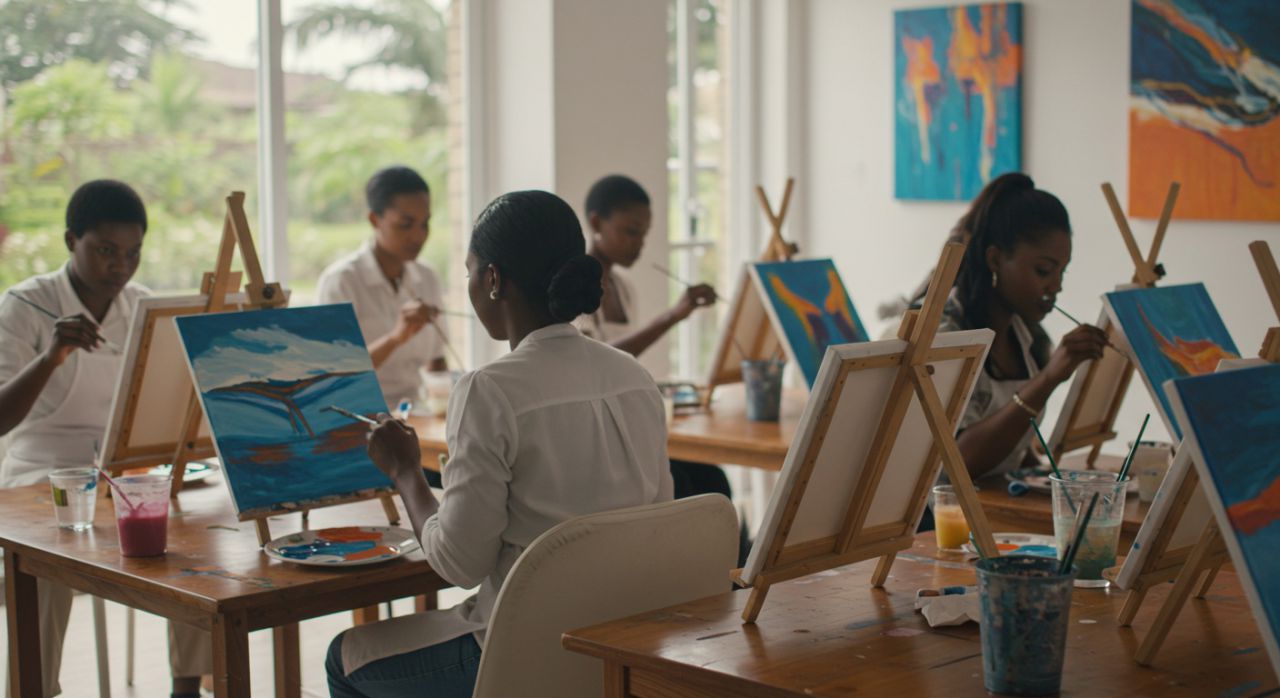
Dive into the dynamic world of sequential art with a comic book art workshop hosted by Get2gether in Nairobi. This engaging session is perfect for aspiring artists and storytellers eager to learn the fundamentals of comic creation. You'll explore character design, panel layout, inking techniques, and basic storytelling principles. Whether you dream of drawing superheroes, crafting indie comics, or simply telling visual stories, this workshop provides the foundational skills. Our Nairobi workshops offer a creative space to experiment and learn from experienced artists. Unleash your imagination and start bringing your unique comic book visions to life.
The Fundamentals of Comic Book Art
A comic book art workshop typically covers essential elements of the medium. This includes character design, focusing on creating memorable figures with distinct personalities and visual appeal. You'll learn about anatomy, costume design, and conveying emotion through facial expressions and body language. Storytelling through sequential art is crucial; understanding panel flow, pacing, and transitions between moments is key. We explore how to use visual cues to guide the reader's eye. Basic perspective and background rendering help establish the setting. Finally, you'll learn about the tools and techniques used in comic creation, from pencils and inks to digital methods, depending on the workshop's focus.
Character Design and Development
Creating compelling characters is at the heart of any great comic. In our Nairobi comic book art workshop, a significant portion is dedicated to character design. We delve into developing unique visual styles that reflect a character's personality, background, and role in the story. You'll learn techniques for sketching various poses, understanding proportions, and designing effective costumes. We also discuss how to create a character's 'silhouette' so they are recognizable even in shadow. Exploring different archetypes and how to subvert them adds depth. The goal is to equip you with the skills to design characters that are not only visually appealing but also believable and engaging for your audience.
Storytelling Through Panels and Layouts

Comics tell stories visually, using a sequence of panels. This workshop teaches the art of paneling and layout design. You'll learn how to break down a narrative into individual frames, controlling the pacing and flow of the story. Understanding different panel shapes and sizes, as well as their placement on the page, is vital for guiding the reader's experience. We explore concepts like 'gutter' space (the space between panels) and how it affects the reader's perception of time. Learning to create dynamic page layouts keeps the reader engaged and enhances the visual impact of your narrative. This skill is fundamental to effective comic storytelling.
Inking and Finishing Techniques
Once the pencils are down, inking brings definition and style to comic art. Our comic book art workshop covers essential inking techniques. This includes using different pen nibs and brushes to create varied line weights, adding texture, and establishing clear forms. We discuss techniques for rendering shadows and highlights to give depth to your drawings. Understanding how ink interacts with different paper types is also important. For those interested in digital art, we may touch upon digital inking methods. Mastering these finishing touches elevates your artwork from sketches to polished comic pages, ready for lettering or coloring.
Bringing Your Comic Ideas to Nairobi
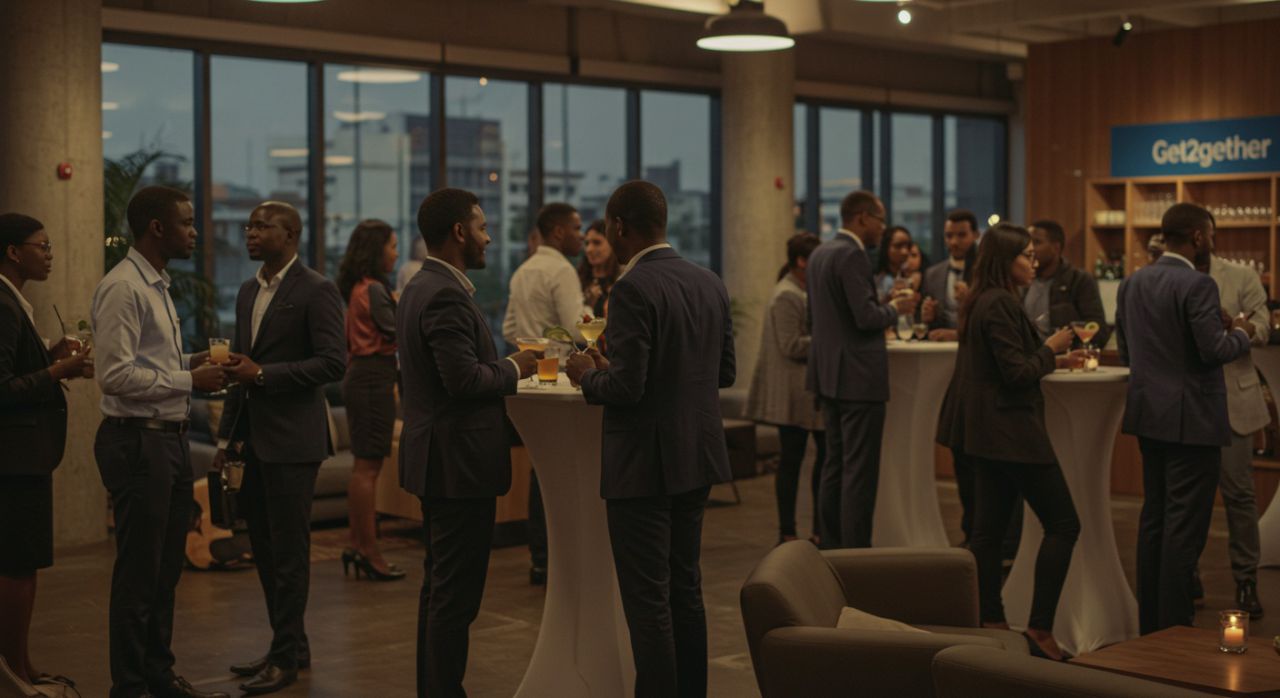
Nairobi's creative energy provides a unique backdrop for a comic book art workshop. This session is more than just learning techniques; it's about fostering a community of local artists and storytellers. You'll have the opportunity to share your ideas, receive constructive feedback, and collaborate with peers. The workshop encourages you to think about incorporating local culture or themes into your comic creations. Whether you're developing a superhero inspired by Kenyan folklore or a slice-of-life story set in Nairobi, the skills learned here are universally applicable. Get2gether aims to provide platforms where local talent can flourish and unique stories can be told.
Book Your Comic Creation Session with Get2gether
Get2gether connects you with exciting curated social events and creative workshops in Nairobi. Our comic book art workshop is designed to ignite your passion for visual storytelling. We partner with talented comic artists to deliver high-quality, informative, and fun sessions. Booking your spot is easy through our platform, ensuring a hassle-free experience. Whether you're looking to kickstart a new hobby or develop your existing skills, we have the perfect workshop for you. Explore our listings today and take the first step towards creating your own comic masterpieces in Nairobi.