Mastering Energy Efficiency with Passive House Design
Get2gether is dedicated to bringing innovative and sustainable practices to Nairobi's event landscape. We are proud to offer a comprehensive passive house design course tailored for professionals seeking to create ultra-efficient and comfortable spaces. This course delves into the principles of Passive House standards, a rigorous building performance standard that focuses on drastically reducing energy consumption for heating and cooling. Understanding these principles allows event organizers and venue managers in Kenya to design or renovate spaces that are not only environmentally friendly but also provide exceptional comfort for attendees. Learn how to minimize energy needs while maximizing indoor air quality and thermal comfort in your Nairobi events.
What is Passive House Design?
Passive House (Passivhaus) is a voluntary standard for energy efficiency in buildings. It focuses on creating a comfortable indoor environment with significantly reduced energy consumption. The core principles include exceptional insulation, high-performance windows, airtight building envelopes, and balanced heat recovery ventilation. Unlike traditional buildings that rely heavily on active mechanical systems, Passive Houses utilize passive strategies like solar heat gain and natural ventilation. This results in buildings that are warm in winter and cool in summer with minimal energy input. Our passive house design course breaks down these complex concepts into understandable modules, making the standard accessible for application in various building types, including event venues.
Benefits of Passive House for Event Venues
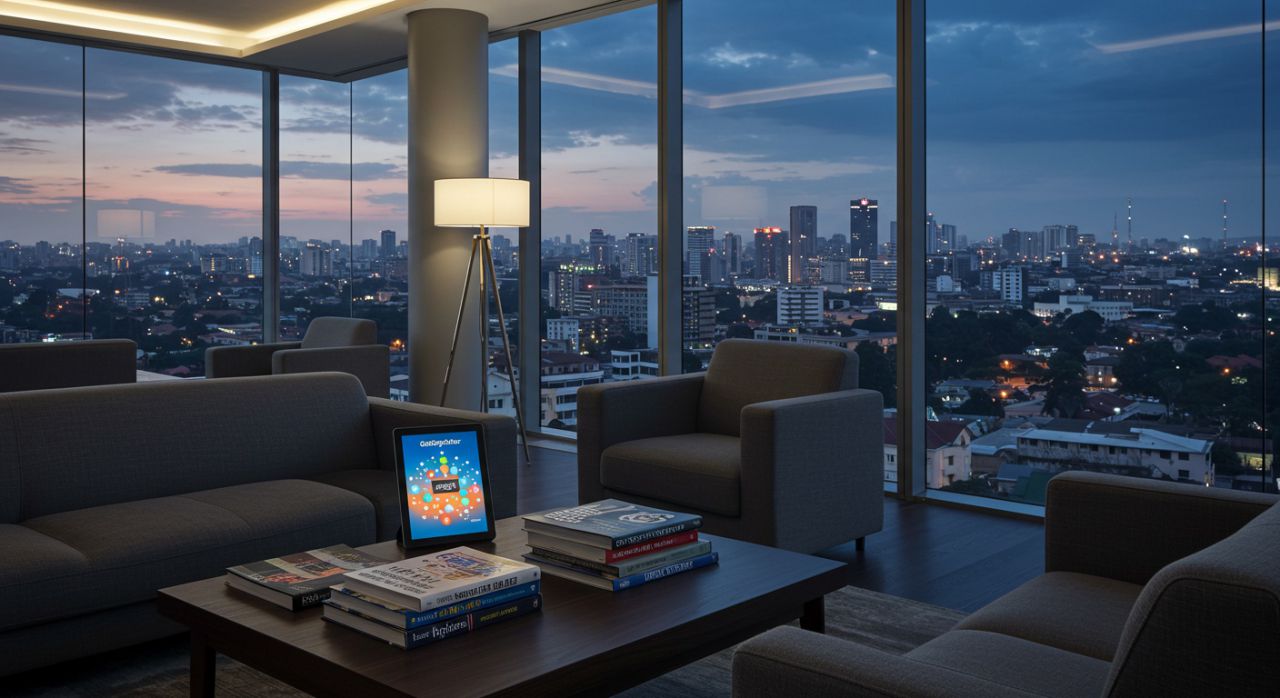
Implementing Passive House principles in event venues in Nairobi offers substantial benefits. Firstly, it leads to dramatic reductions in energy costs for heating and cooling, which are often significant operational expenses. This energy efficiency also translates to a smaller carbon footprint, aligning with sustainability goals. Secondly, the superior insulation and airtightness create a remarkably comfortable indoor environment. Attendees experience consistent temperatures year-round, free from drafts and overheating. The mandatory ventilation system ensures excellent indoor air quality, reducing the risk of illness and improving focus. For event organizers, a venue built to Passive House standards signals a commitment to quality, comfort, and environmental responsibility, enhancing its appeal.
Key Components of the Passive House Design Course

Our passive house design course covers the five fundamental components of Passive House design. These include: 1. A highly insulated building envelope, minimizing heat loss or gain. 2. Thermal bridge-free design, ensuring consistent thermal performance. 3. High-performance windows and doors, reducing energy transfer. 4. Airtight construction, preventing uncontrolled air leakage. 5. A balanced ventilation system with heat recovery, providing fresh air efficiently. The course also delves into building physics, energy modeling basics, and practical considerations for design and construction in the Kenyan climate. Case studies of successful Passive House projects will be examined.
Designing for Nairobi's Climate with Passive House
While Passive House originated in colder climates, its principles are highly adaptable to diverse climates, including Nairobi's tropical savanna climate. The focus shifts from maximizing heat gain to minimizing unwanted solar gain and ensuring excellent ventilation. The course will explore strategies for shading, appropriate window placement, and ventilation techniques suited for Nairobi's conditions. Achieving high levels of comfort and energy efficiency is possible by carefully applying the core principles. Our passive house design course provides insights into how these standards can be met even in warm and humid environments, ensuring sustainable and comfortable event spaces.
Who Should Attend This Course?
This course is ideal for architects, designers, engineers, builders, developers, and event venue managers in Nairobi and across Kenya. It is also beneficial for sustainability consultants and anyone involved in the design, construction, or management of buildings. If you are passionate about creating high-performance, energy-efficient, and comfortable spaces, this course is for you. Understanding Passive House principles can open new opportunities for creating unique, sustainable, and cost-effective event venues. Equip yourself with the knowledge to lead the way in green building practices within the event industry.
Get2gether: Your Partner in Sustainable Events
Get2gether is committed to promoting sustainable and innovative practices in Nairobi's social event and corporate retreat sector. Our passive house design course is part of this mission, empowering professionals with the skills to create truly exceptional venues. We believe that by adopting advanced design standards, we can build a more sustainable future for Kenya. Join us to learn from leading experts and gain a competitive edge in the market. Let Get2gether guide you in transforming event spaces into models of energy efficiency and comfort. Register for our Passive House Design Course today and be part of the change.