Dive In: An Introduction to Scuba Diving
Have you ever dreamed of exploring the vibrant underwater world? Get2gether offers exceptional scuba diving introductory lessons right here in Nairobi, Kenya. These courses are designed for absolute beginners. You’ll learn essential skills in a safe and controlled environment. Our expert instructors guide you every step of the way. Discover the magic of breathing underwater. It's an experience unlike any other. Join us and take your first plunge into an aquatic adventure. These lessons are the perfect starting point for anyone curious about what lies beneath the surface. Prepare for an unforgettable journey.
What to Expect in Your First Scuba Diving Lesson
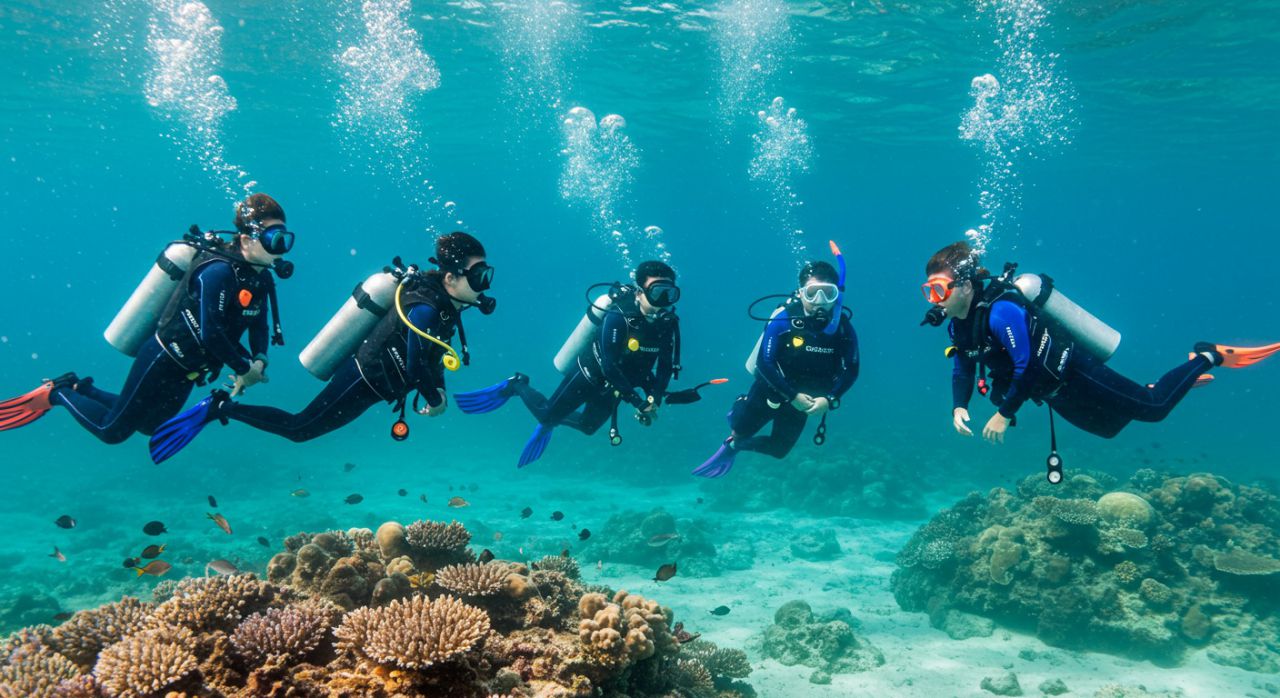
Your first step into the underwater realm with scuba diving introductory lessons begins with a comprehensive briefing. You will learn about the equipment you'll be using. This includes your mask, fins, buoyancy control device (BCD), regulator, and air tank. Understanding how each piece functions is crucial for safety and enjoyment. Following the briefing, you'll practice basic skills in shallow water or a pool. This might involve clearing your mask of water or recovering your regulator. You'll learn how to descend and ascend safely. Mastering buoyancy control is a key skill. It allows you to float effortlessly. Our certified instructors ensure a low student-to-instructor ratio. This guarantees personalized attention. They are dedicated to making your learning experience effective and fun. You'll build confidence with every skill you master. This initial phase is all about getting comfortable.

Essential Skills Covered in Introductory Courses
During your scuba diving introductory lessons, you will acquire fundamental diving techniques. A critical skill is mask clearing. This teaches you to remove water from your mask while submerged. You'll also learn regulator recovery. This involves retrieving your breathing apparatus if it becomes dislodged. Another vital technique is controlled emergency ascents. You'll practice ascending slowly and safely. Understanding hand signals is also paramount. Clear communication underwater is key to safety. Instructors will teach you the universal dive signals. You’ll also learn about proper weighting. This ensures you can maintain neutral buoyancy. This means hovering effortlessly in the water column. These foundational skills are practiced until you feel proficient. They form the building blocks for all future diving adventures. Get2gether ensures thorough training for all participants.
Choosing the Right Dive Center in Nairobi

Selecting the right dive center is vital for a positive learning experience. Look for PADI or SSI certified centers. These organizations set international standards for dive training. Get2gether partners with reputable dive centers in Nairobi. They employ experienced and certified instructors. Check reviews and testimonials from previous students. A good dive center will prioritize safety above all else. They should provide well-maintained equipment. The learning environment should be comfortable and encouraging. Ask about the class sizes. Smaller classes often mean more individual attention. Understand the course structure and what is included. Some courses might offer pool sessions followed by open water dives. Ensure the center's location is convenient for you.
Benefits of Learning to Scuba Dive
Learning to scuba dive opens up a world of discovery. It offers a unique perspective on marine life. You can witness coral reefs teeming with colorful fish. You might encounter majestic sea turtles or playful dolphins. Scuba diving is also a fantastic way to de-stress. The underwater environment is tranquil and silent. It allows you to focus on the present moment. It's a great physical activity too. It improves cardiovascular health and builds strength. Moreover, it fosters a deeper appreciation for our oceans. Understanding the marine ecosystem encourages conservation efforts. It's an opportunity to connect with nature in a profound way. These introductory lessons are the gateway to a lifetime of underwater exploration.
Beyond the Basics: Continuing Your Dive Journey
Your introductory lessons are just the beginning. After mastering the fundamentals, you can pursue further certifications. The Open Water Diver certification is the most common next step. It allows you to dive independently with a buddy in open water. Advanced courses like the Advanced Open Water Diver introduce you to new types of diving. These include deep diving and night diving. Specialty courses focus on specific interests, such as wreck diving or underwater photography. Consider a Rescue Diver course to enhance your safety skills. Divemaster and Instructor certifications are available for those aspiring to a career in diving. Get2gether can guide you on your continued diving journey. We connect you with opportunities to expand your skills and explore new horizons.
Booking Your Scuba Diving Experience with Get2gether
Ready to embark on your underwater adventure? Booking your scuba diving introductory lessons through Get2gether is simple. Visit our platform to browse available courses in Nairobi. We partner with top-rated dive centers. Our booking process is user-friendly and secure. You can easily compare options and select the best fit for your schedule. We provide detailed information about each course. This includes what to expect, prerequisites, and pricing. Our customer support team is available to answer any questions. We aim to make your experience seamless from start to finish. Don't miss the chance to discover the incredible world beneath the waves. Book your introductory scuba diving lesson today and dive into excitement.