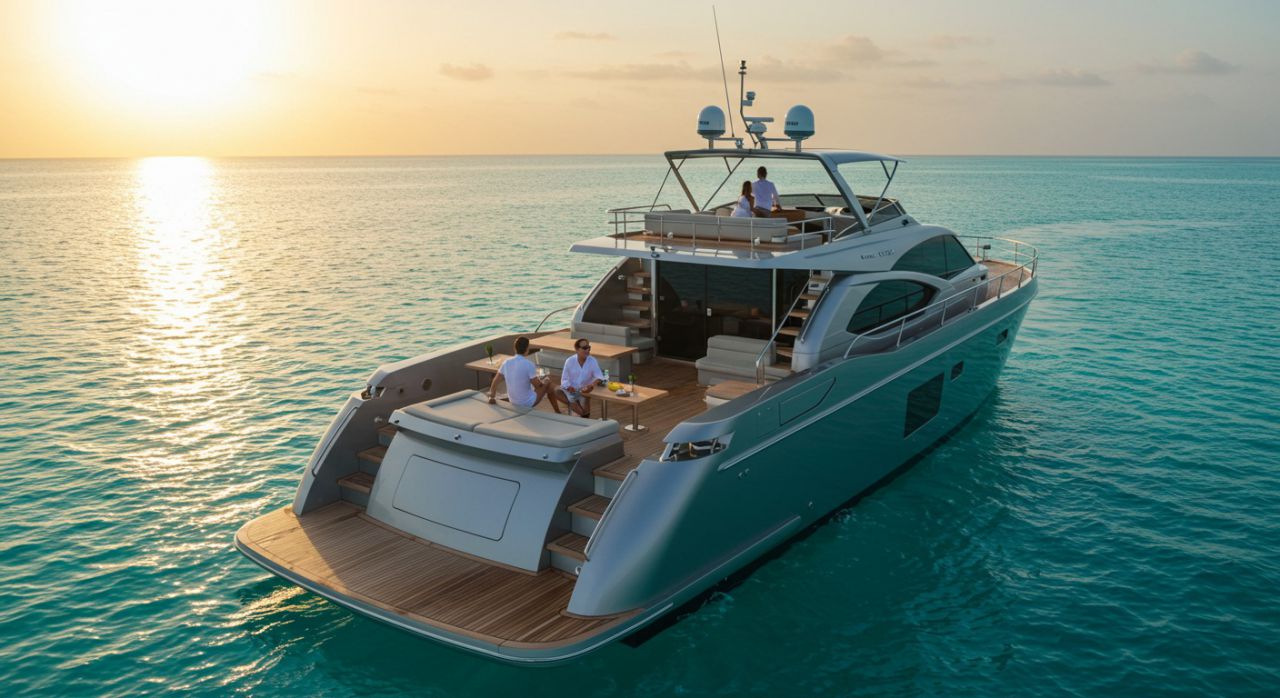

The Ultimate Sanctuary: Investing in Your Own Private Paradise
The allure of a private island is undeniable – a secluded haven, a symbol of ultimate luxury and exclusivity, far removed from the hustle and bustle of city life. For discerning investors and high-net-worth individuals in Nairobi, the dream of owning such an asset is not just a fantasy but a tangible investment opportunity. A private island investment offers unparalleled privacy, potential for significant appreciation, and the freedom to create a bespoke retreat or a unique commercial venture. While Nairobi itself is landlocked, its strategic position as an economic hub provides a gateway to exploring exquisite island opportunities within the broader East African region and beyond. This guide delves into the compelling reasons and practicalities of making a private island investment, providing insights for those looking to secure their own slice of paradise and diversify their luxury portfolio. Discover how to transform this aspirational goal into a strategic asset.
Why Consider a Private Island Investment?
A private island investment stands out as a unique and highly attractive asset for several compelling reasons. Firstly, it offers unparalleled privacy and exclusivity, a diminishing commodity in today's crowded world. Owning an island means complete control over your environment, allowing for a level of solitude and personal freedom that few other investments can provide. Secondly, private islands are finite resources, inherently making them a valuable and often appreciating asset. Their scarcity drives demand, potentially leading to substantial capital gains over time. Thirdly, a private island can serve multiple purposes: it can be a magnificent personal retreat, a luxury rental property generating significant income, or even a base for ecotourism ventures. For investors based in Nairobi, this represents a tangible diversification strategy, moving beyond traditional real estate into a niche market with high potential. The psychological appeal of owning an island, a symbol of ultimate success and escape, further adds to its intrinsic value and desirability. It’s not just real estate; it's a lifestyle statement and a legacy.
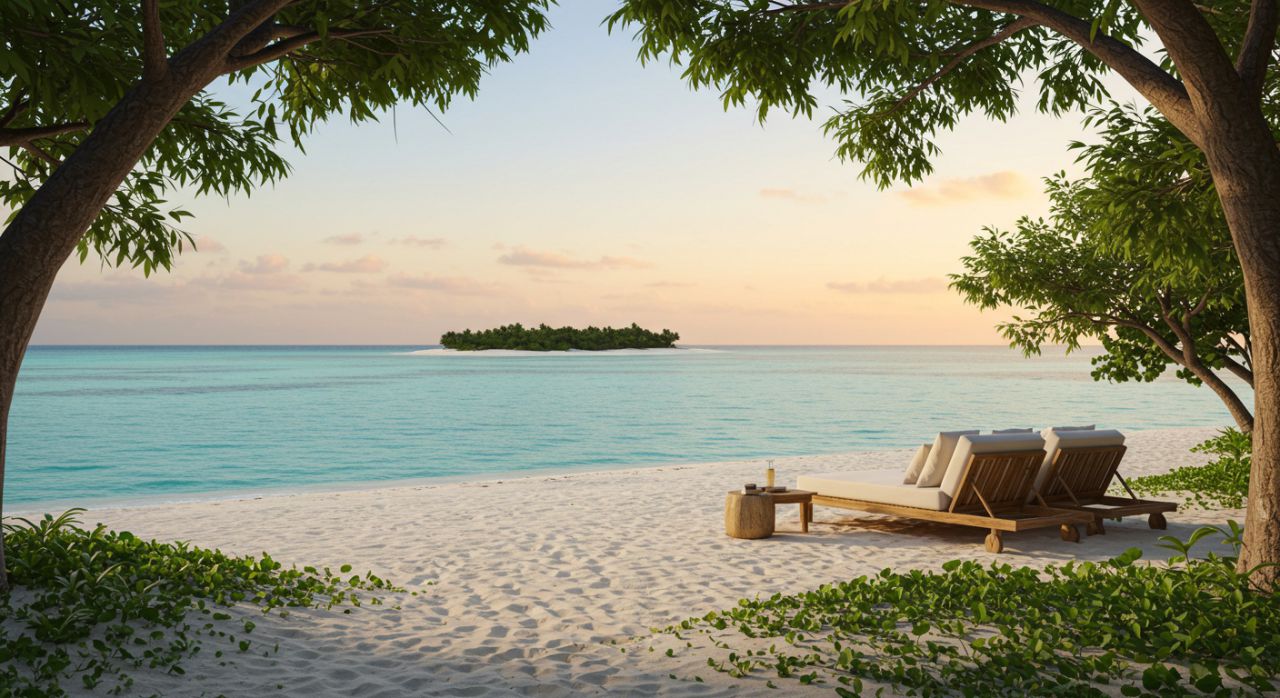
Types of Private Island Investments Available
The landscape of private island investment offers a diverse range of options, catering to different objectives and budgets. One common type is the undeveloped island, which presents a blank canvas for those with a vision to create a bespoke retreat from scratch. While requiring significant upfront development, these islands often come at a lower initial cost and offer the greatest potential for personalization. Another category includes islands with existing infrastructure, such as a main residence, guest houses, and utilities. These are typically more expensive but offer immediate usability and reduce the complexities of development. For those interested in commercial ventures, there are islands already operating as luxury resorts or boutique hotels, providing immediate income streams. Finally, some islands are designated for conservation, offering a unique opportunity for environmental stewardship alongside private ownership, though often with development restrictions. Understanding these different types is crucial for investors in Nairobi to align their investment with their personal goals, whether it’s a tranquil personal escape, a lucrative business, or a blend of both, ensuring the chosen island meets all desired criteria and offers the best potential for growth and enjoyment.
Key Factors to Evaluate Before Making an Investment

Before committing to a private island investment, several critical factors must be rigorously evaluated to ensure a sound decision. Location is paramount; proximity to a major hub like Nairobi, accessibility via air or sea, and the stability of the surrounding region are crucial. The legal framework governing island ownership in the target country is another vital consideration, including property rights, foreign ownership restrictions, and environmental regulations. Infrastructure development, or the potential for it, is key; assess access to fresh water, power, and communication networks. Consider the climate and natural hazards, such as hurricane risk or seismic activity. Environmental impact assessments are often required for development, so understanding these early is beneficial. Engage local experts for due diligence, including legal counsel specializing in international property law, environmental consultants, and reputable real estate advisors familiar with island markets. Thoroughly assessing these factors will mitigate risks and ensure that your private island investment aligns with both your financial objectives and your vision for a luxurious escape. This diligent preparation is essential for any significant property acquisition, especially one as unique as an island.
The Process of Acquiring a Private Island
Acquiring a private island investment is a complex process that typically involves several distinct stages. It begins with extensive research and consultation with specialized real estate brokers who have expertise in island sales. Once a suitable island is identified, a letter of intent or offer is submitted. This is followed by a comprehensive due diligence phase, which can take several weeks or months. During this period, legal teams investigate titles, permits, environmental regulations, and any encumbrances. Engineers and surveyors assess the island's buildability, geology, and access to resources. Financial assessments are also conducted to determine the true cost of acquisition and potential development. Negotiations then proceed based on the findings of the due diligence. Once terms are agreed upon, a purchase agreement is signed, and the transaction moves towards closing, often involving complex international banking and legal procedures. Throughout this intricate process, having a team of experienced advisors is crucial to navigate the legal, financial, and logistical challenges. For Nairobi-based investors, engaging local and international experts ensures a smooth and secure acquisition, paving the way for their dream island ownership.
Managing and Developing Your Private Island Asset
Once a private island investment has been secured, the next phase involves careful management and potential development. For undeveloped islands, this means planning and executing infrastructure projects, including building residential structures, installing power generation (solar, wind), establishing water desalination systems, and creating access points like jetties or helipads. This often requires engaging international architects, engineers, and construction firms specializing in remote island development. Ongoing management involves maintaining facilities, securing the property, and managing any staff, such as caretakers or hospitality personnel if it's a commercial venture. Environmental stewardship is also a key responsibility, ensuring that any development or activity is sustainable and protects the island's natural ecosystem. For investors in Nairobi, outsourcing these management tasks to specialized firms can be an efficient way to oversee their remote asset. Whether it’s a personal retreat or a revenue-generating property, proactive management is essential to protect your investment, enhance its value, and ensure the island remains a pristine and functional paradise for years to come. This long-term vision is critical for maximizing the benefits of island ownership.
Expert Guidance for Private Island Investment from Nairobi-Based Specialists
Navigating the intricate world of private island investment from Nairobi requires access to specialized expertise. While the islands themselves may be geographically distant, strategic advice can be found locally. Get2gether, with its extensive network in luxury real estate and high-net-worth client services, is uniquely positioned to guide investors through this journey. We connect clients with leading international island brokers, legal experts specializing in offshore property, and environmental consultants who can provide comprehensive due diligence. Our role extends to understanding your investment goals, whether for personal use, commercial development, or a blend of both, and matching you with opportunities that align with your vision. We facilitate introductions to project managers and developers experienced in remote luxury construction, ensuring your island dream can become a reality. For Nairobi's elite, Get2gether offers a discreet and professional pathway to securing one of the world's most exclusive assets, providing peace of mind and expert support at every step of the private island acquisition process. We ensure you make an informed and strategic investment in your ultimate luxury escape.