The Pervasive Influence of Unconscious Bias
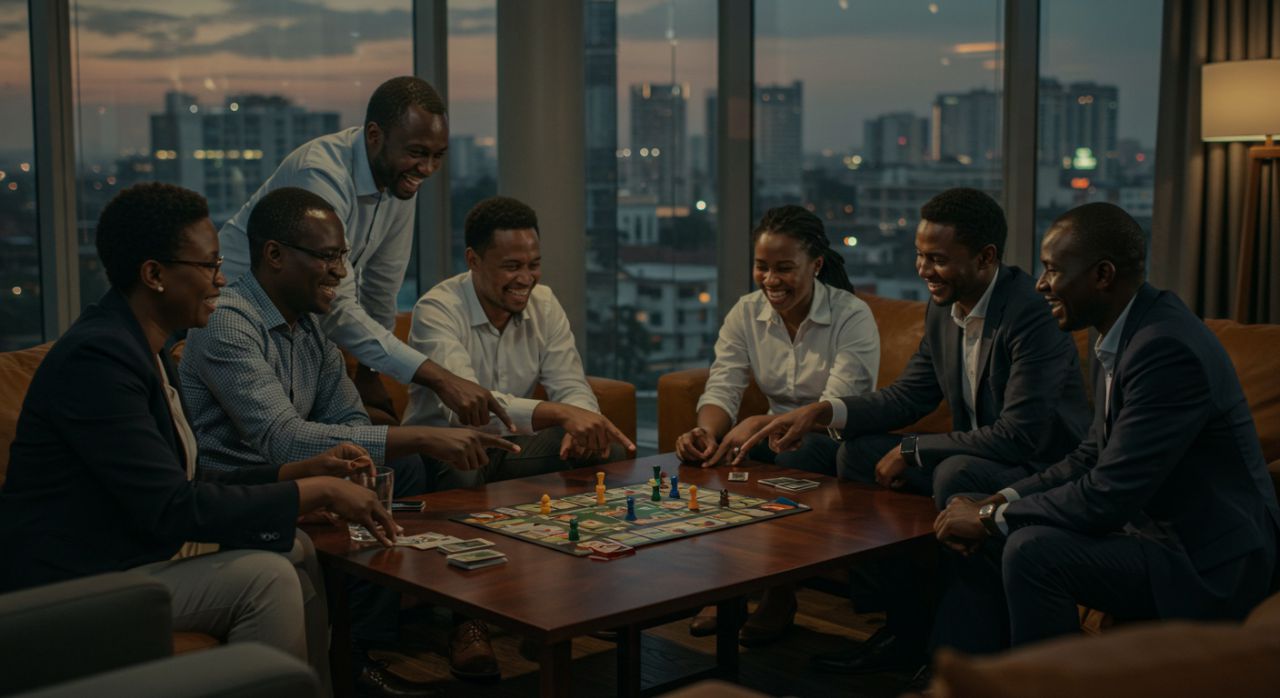
In any social setting, including corporate events in Nairobi, unconscious biases can subtly shape interactions and perceptions. These ingrained stereotypes affect decision-making without our conscious awareness. Recognizing and addressing these biases is critical for fostering an equitable and inclusive environment. Get2gether offers specialized social event unconscious bias workshops designed to raise awareness and provide practical strategies for mitigation. Our training empowers individuals and teams to create more objective and welcoming social experiences for everyone.
What is Unconscious Bias?
Unconscious bias, also known as implicit bias, refers to the attitudes or stereotypes that affect our understanding, actions, and decisions in an unconscious manner. These biases are often formed through background, experiences, and cultural exposure. They can manifest in subtle ways during social events, influencing who we gravitate towards, whose ideas we favor, or whose contributions we overlook. Understanding the nature and impact of these biases is the foundational step in our social event unconscious bias workshops.

Identifying Bias in Social Event Dynamics
During social events, unconscious biases can surface in various ways. This might include forming cliques, making assumptions based on appearance, or unintentionally interrupting certain individuals more than others. Training helps participants identify these patterns in their own behavior and in group dynamics. We explore common types of biases, such as affinity bias, confirmation bias, and attribution bias. Recognizing these tendencies is crucial for dismantling their negative effects on team cohesion and inclusivity in Nairobi.
Strategies for Mitigating Bias
Our workshops focus on equipping participants with actionable strategies to counteract unconscious bias. This includes techniques for mindful decision-making, active listening, and seeking diverse perspectives. We encourage challenging assumptions and creating space for open dialogue. Practicing empathy and consciously seeking out interactions with a wider range of colleagues are also key. These practical tools empower individuals to foster more equitable interactions during social gatherings and beyond.
The Impact on Team Culture and Collaboration
Unchecked unconscious bias can hinder team collaboration and negatively impact workplace culture. It can lead to misunderstandings, reduced trust, and feelings of exclusion among employees. By actively addressing these biases through targeted training, organizations can cultivate a more positive and productive environment. This fosters greater psychological safety, encourages diverse contributions, and ultimately enhances overall team performance. Implementing these practices is vital for any forward-thinking Nairobi business.
Integrating Bias Awareness into Event Planning
Beyond individual awareness, it's essential to integrate bias mitigation into event planning processes. This involves reviewing event formats, activity structures, and communication strategies for potential biases. Consider how different elements might unintentionally favor or exclude certain groups. Training provides insights into making these planning decisions more objective and inclusive. This proactive approach ensures that events consistently support the organization's diversity and inclusion goals.
Get2gether: Facilitating Inclusive Experiences
Get2gether specializes in creating curated social events and retreats in Nairobi that are both engaging and inclusive. Our social event unconscious bias workshops are facilitated by experienced professionals dedicated to fostering awareness and positive change. We help organizations build stronger, more equitable teams by addressing the subtle influences of bias. Partner with us to ensure your corporate events reflect your commitment to fairness and respect, creating a truly welcoming atmosphere for all your Nairobi-based employees.