
Creating Inclusive and Accessible Events for All
Ensuring that every event in Nairobi is welcoming and accessible to all attendees is a fundamental aspect of modern event planning. An event accessibility planning workshop provides the essential knowledge and practical strategies to achieve this. Get2gether, Nairobi's leading platform for curated social events and corporate retreats, is dedicated to promoting inclusivity. Our workshops empower organizers to design and execute events that cater to diverse needs, including those with disabilities. Learn how to address physical, sensory, and cognitive accessibility requirements. Making your events accessible not only broadens your audience but also enhances the experience for everyone involved in Kenya.
The Importance of Event Accessibility
Event accessibility ensures that all individuals, regardless of their abilities or disabilities, can participate fully and comfortably in an event. This is not just a matter of compliance but a commitment to inclusivity and equal opportunity. For event organizers in Nairobi, failing to consider accessibility can exclude a significant portion of the potential audience and lead to negative experiences. Planning for accessibility from the outset, rather than as an afterthought, is far more effective and cost-efficient. An event accessibility planning workshop helps demystify the process, providing clear guidelines and actionable steps. It fosters an environment where everyone feels valued and respected.

Key Components of Accessible Event Planning
Our event accessibility planning workshop covers the multifaceted nature of event accessibility. We address physical accessibility, including venue selection, ramp access, accessible restrooms, and clear pathways. Sensory accessibility is crucial, involving considerations for lighting, sound levels, quiet spaces, and visual aids. Cognitive accessibility focuses on clear communication, simple navigation, and providing information in accessible formats. We also discuss digital accessibility for event websites, registration forms, and virtual components. The workshop emphasizes understanding different types of disabilities and specific needs, such as hearing or visual impairments, mobility challenges, and neurodiversity. Practical strategies for implementing these considerations in Nairobi are a core focus.
Venue Selection and Modification
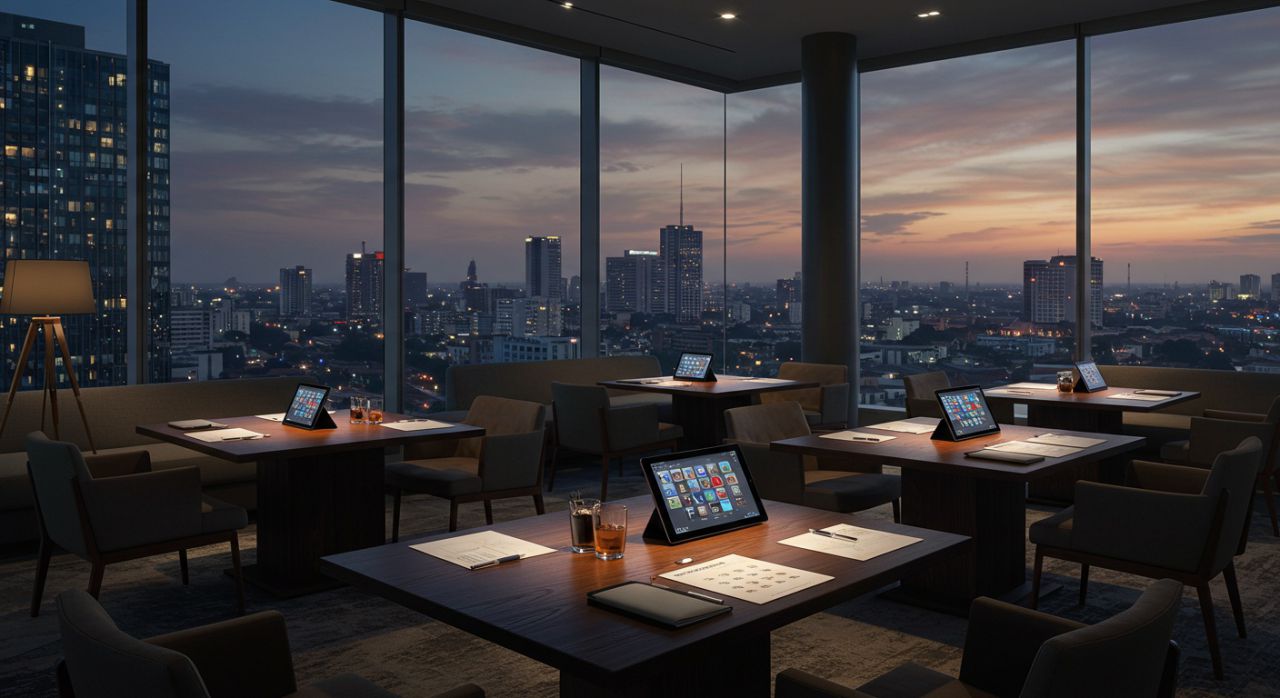
Choosing the right venue is the first critical step in accessible event planning. Our workshop guides participants on evaluating venues for compliance with accessibility standards. This includes assessing the availability of ramps, elevators, accessible parking, and restrooms. We discuss how to inquire about features like automatic doors and adjustable lecterns. For venues that may have limitations, we explore potential modifications or alternative solutions that can be implemented. Understanding local building codes and accessibility regulations in Nairobi is also covered. Ensuring the venue itself is welcoming and easy to navigate sets the foundation for an inclusive event experience.
Communication and Information Accessibility
Clear and accessible communication is vital throughout the entire event lifecycle. Our workshop focuses on making information readily available to all attendees. This includes providing event details in multiple formats, such as large print, braille, or digital versions compatible with screen readers. We cover strategies for effective signage within the venue, using clear fonts and high contrast. For presentations, guidance on using accessible presentation tools, providing captions, and offering sign language interpretation is provided. We also discuss how to handle specific accommodation requests received during the registration process, ensuring a responsive and helpful approach for all attendees in Kenya.
Engaging Attendees with Diverse Needs
Beyond logistical considerations, fostering an inclusive atmosphere is key. An event accessibility planning workshop helps organizers understand how to create a welcoming environment for attendees with diverse needs. This involves training staff and volunteers on disability awareness and etiquette. Providing designated quiet spaces can benefit attendees who experience sensory overload. Offering options for dietary needs and ensuring accessibility information is readily available on all event materials contributes to a positive experience. We emphasize proactive communication and a willingness to accommodate individual requests. Creating a culture of empathy and understanding ensures that all guests feel valued and respected throughout the event in Nairobi.
Get2gether: Your Partner for Inclusive Events in Nairobi
Get2gether is committed to making every event in Nairobi accessible and inclusive. Our event accessibility planning workshop equips you with the expertise to host events that welcome everyone. We believe that memorable experiences should be available to all. Partner with us to integrate accessibility seamlessly into your social events or corporate retreats. Let our expertise guide you in creating truly inclusive gatherings that resonate with a broader audience and reflect positively on your organization in Kenya. We help you build events that connect everyone.