
Experience the Adrenaline Rush on Kenya's Waters
Get2gether brings you the excitement of water sports across Kenya, and understanding jet ski rental prices Kenya is key to planning your next adventure. Whether you're a thrill-seeker or looking for a fun way to explore the coastline, jet skiing offers an exhilarating experience. We connect you with reputable providers offering well-maintained jet skis for rent. Our platform aims to provide clarity on costs, ensuring you get the best value for your money. Imagine gliding across the turquoise waters, feeling the spray and the speed. Planning your aquatic adventure is made easy with Get2gether, ensuring you have all the information needed to enjoy this fast-paced activity safely and affordably.
Factors Influencing Jet Ski Rental Prices
Several factors influence the jet ski rental prices Kenya. The duration of the rental is a primary factor; hourly rates are common, with discounts often available for longer periods like half-day or full-day rentals. The type and model of the jet ski also play a role. Newer, more powerful models may command higher prices. Location is another consideration; rentals at popular tourist spots or exclusive resorts might be priced differently than those in less frequented areas. Additionally, the season can impact prices, with peak tourist seasons potentially seeing slightly higher rates. Some rental packages might include additional services like a guide, safety equipment, or even fuel, which can affect the overall cost.
Typical Pricing Structures and Packages
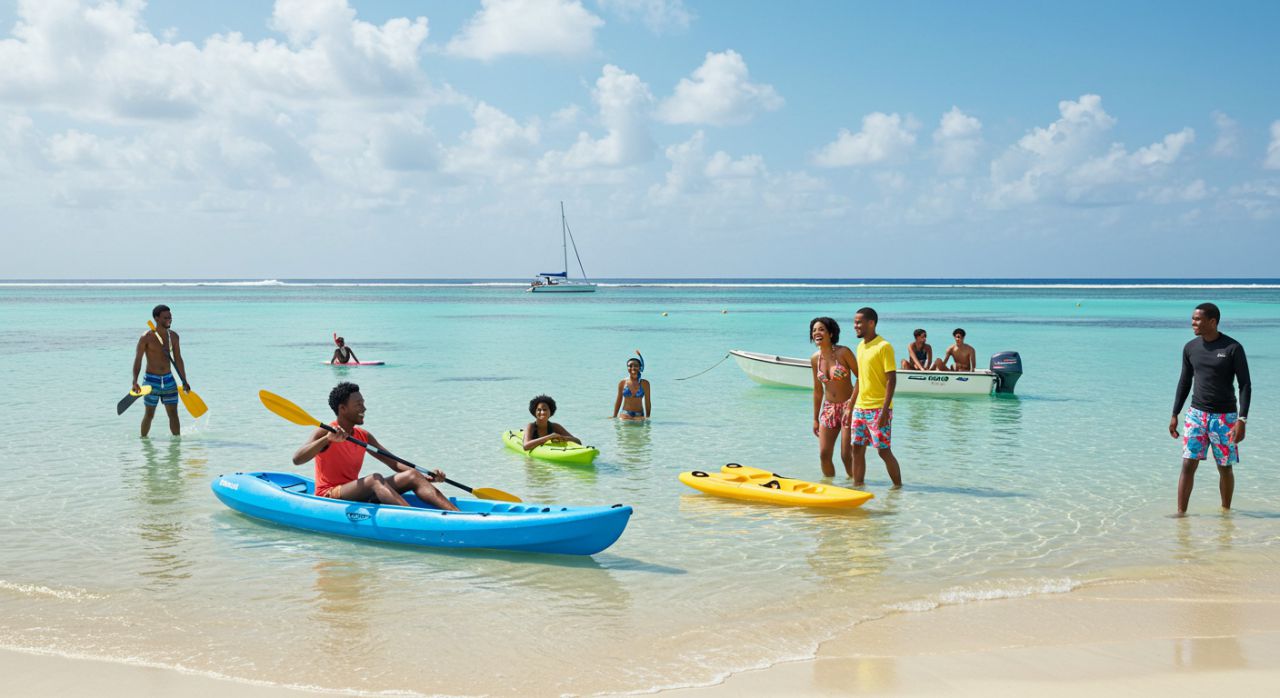
When looking at jet ski rental prices Kenya, you'll typically find hourly rates ranging from KES 8,000 to KES 15,000 or more, depending on the factors mentioned above. Many providers offer packages that provide better value. For example, a 30-minute rental might cost around KES 5,000-8,000, while a 1-hour rental could be KES 8,000-15,000. Longer rentals, such as 2-hour or half-day options, often come with reduced per-hour rates. Some companies may also offer guided jet ski tours, which include a guide leading you to scenic spots, and these are usually priced slightly higher but offer a more comprehensive experience. Always inquire about what is included in the price.
What's Usually Included in the Rental Fee?
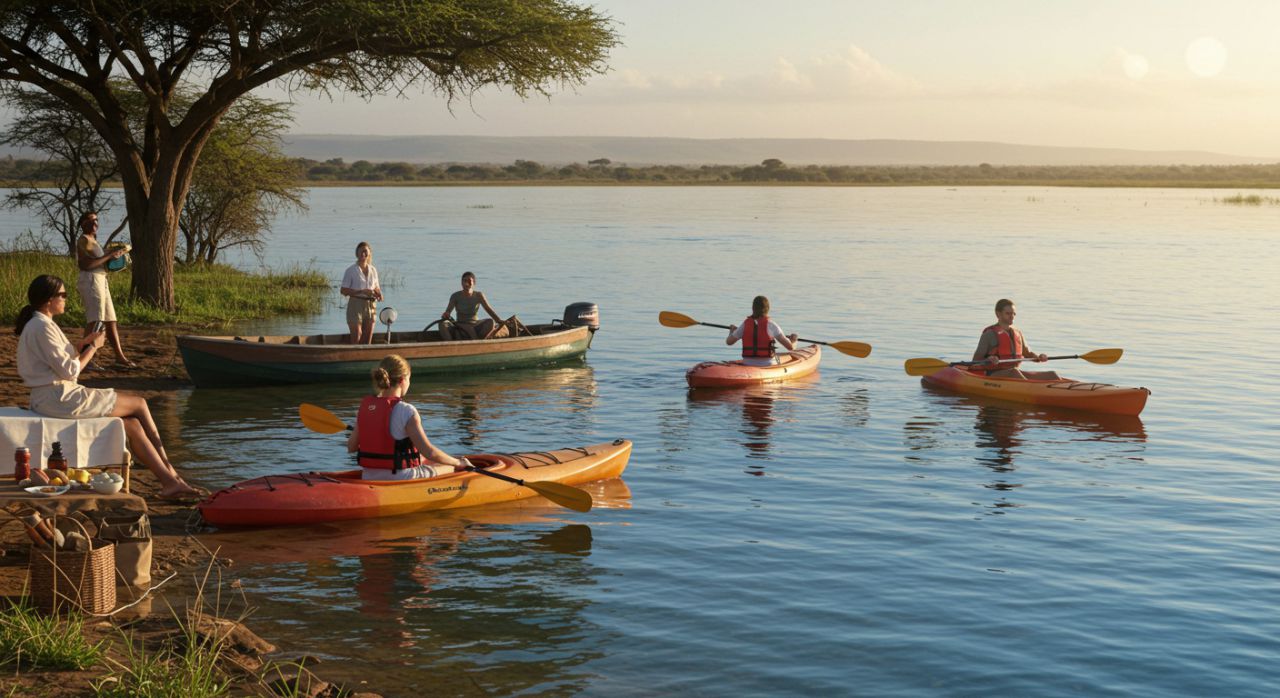
Understanding what's included in the jet ski rental fee is crucial for budgeting your adventure. Most rental packages in Kenya typically include the jet ski itself and basic safety equipment such as a life jacket. Some providers might also offer a brief orientation on how to operate the jet ski safely. However, fuel is often charged separately or included based on a full tank policy. It's important to clarify this with the rental company beforehand. Guided tours, if chosen, will include the cost of the guide. Ensure you ask about any additional fees, such as insurance or potential damage waivers, to avoid surprises.
Tips for Getting the Best Value on Jet Ski Rentals
To make the most of your budget when considering jet ski rental prices Kenya, follow these tips. Firstly, book in advance, especially during peak seasons, as this can sometimes secure better rates and availability. Compare prices from different providers through platforms like Get2gether. Look for package deals that offer longer rental times for a slightly reduced hourly rate. Traveling during the shoulder season (just before or after peak season) might also yield more affordable options. Always ask about potential discounts for group rentals or if you book multiple activities. Clear communication with the rental company about inclusions and exclusions will help you find the best value.
Safety First: Essential Guidelines for Jet Skiing
While jet skiing is incredibly fun, safety must always be the top priority. Always wear a life jacket, even if you are a strong swimmer. Familiarize yourself with the jet ski's controls and safety features before heading out. Adhere to designated operating areas and speed limits, especially in crowded waters or near shorelines. Be aware of other watercraft and potential hazards. Most rental companies in Kenya will provide a safety briefing, listen carefully. Ensure the jet ski is in good working condition before you set off. Responsible riding ensures a safe and enjoyable experience for everyone.
Booking Your Jet Ski Adventure with Get2gether
Get2gether simplifies the process of finding and booking jet ski rentals across Kenya. We partner with trusted operators to offer competitive jet ski rental prices Kenya and ensure a high standard of equipment and service. Explore our listings, compare options, and book your thrilling jet ski adventure with confidence. Whether you're planning a solo thrill ride or a group outing, we're here to help you make unforgettable memories on the water. Contact us today to learn more about available options and start planning your next exciting aquatic escapade in Kenya.