
Why Marine First Aid Training is Crucial
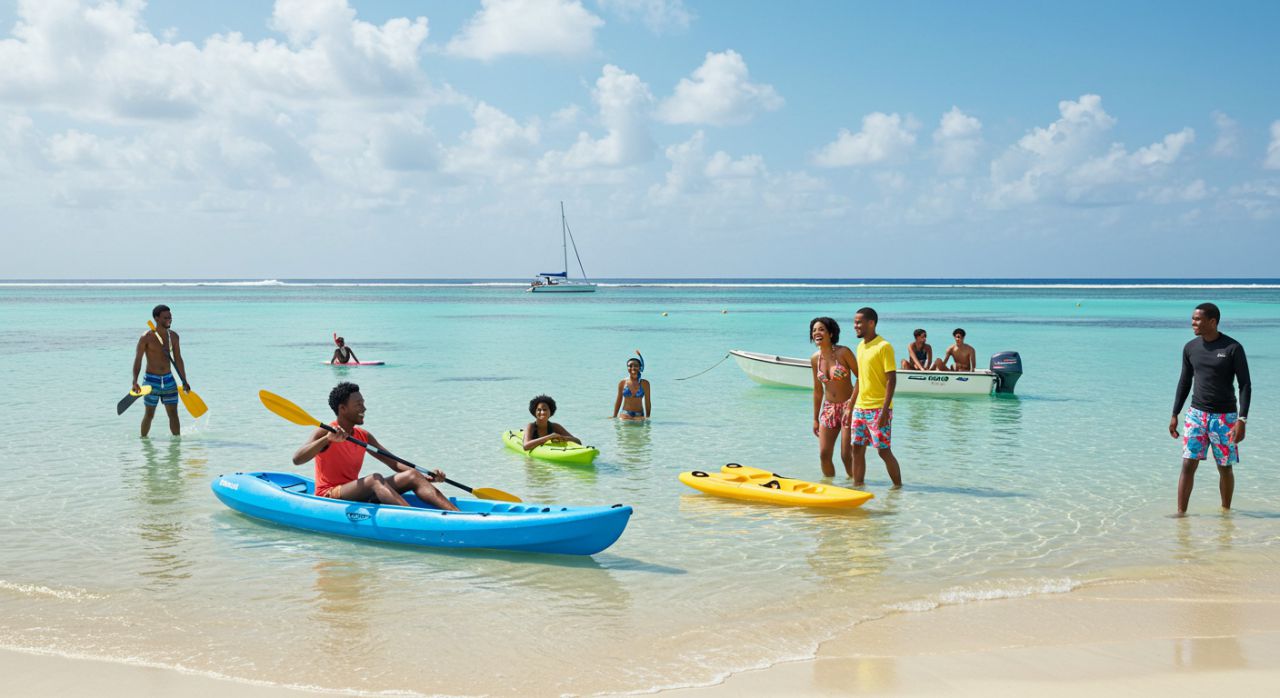
The waters around Kenya, whether coastal or inland, offer incredible opportunities for recreation and commerce. However, engaging in maritime activities inherently carries risks. Ensuring you and your crew are prepared to handle medical emergencies at sea is not just a matter of safety; it's often a legal requirement. Marine first aid training provides the specialized knowledge and skills needed to respond effectively to injuries and illnesses that occur away from immediate medical facilities. Get2gether recognizes the vital importance of preparedness for anyone involved in boating, diving, fishing, or maritime professions in and around Nairobi. We are committed to connecting you with certified and comprehensive marine first aid training programs designed to equip you with life-saving skills.
Understanding the Scope of Marine First Aid
Marine first aid training goes beyond basic first aid, addressing the unique challenges faced in a marine environment. Unlike on land, immediate access to advanced medical care is often unavailable when an incident occurs on a boat or at sea. Therefore, participants learn to manage a wide range of potential emergencies, including seasickness, hypothermia, drowning, injuries from equipment or falls, burns, and allergic reactions. The training emphasizes assessment and stabilization of the patient until professional medical help can be reached. This often involves understanding how to improvise medical supplies and equipment using available resources on board. Courses also cover aspects like infection control in a maritime setting, managing chronic conditions at sea, and understanding the physiological effects of being exposed to the marine environment, such as dehydration and sunstroke. The curriculum is tailored to equip individuals with the confidence and competence to act decisively in critical situations, potentially saving lives.
Who Needs Marine First Aid Training?
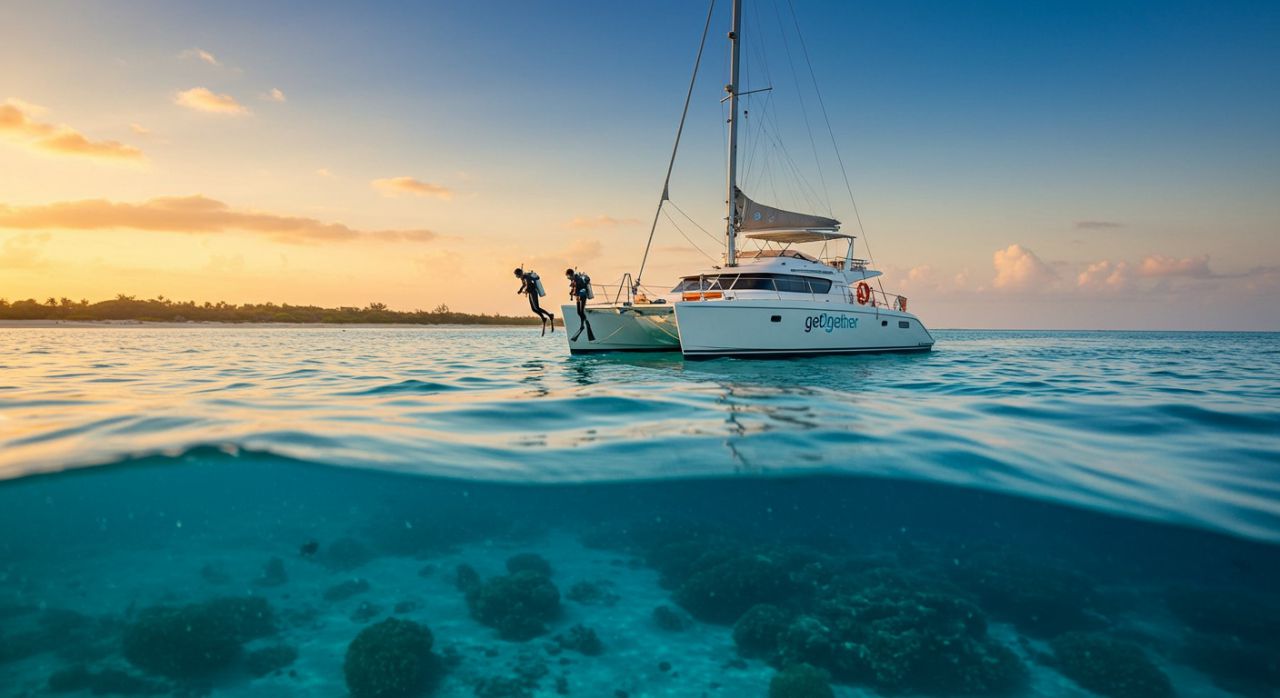
A variety of individuals and professionals operating in or near marine environments should consider undertaking marine first aid training. This includes recreational boaters, sailors, kayakers, and paddleboarders who spend significant time on the water. Professional mariners, such as commercial fishermen, yacht crew, ferry operators, and tour boat captains, are often required by regulations to hold specific first aid certifications. Divers and dive instructors must also possess this specialized training due to the inherent risks associated with underwater activities. Anyone involved in organizing or supervising water-based events or expeditions, including tour operators and adventure guides, benefits greatly from this knowledge. Even individuals who frequently use ferries or boats for transport in Kenya would find the skills invaluable. Essentially, anyone whose safety or the safety of others could be compromised by a medical emergency at sea should pursue marine first aid training.
Finding Reputable Training Providers in Nairobi
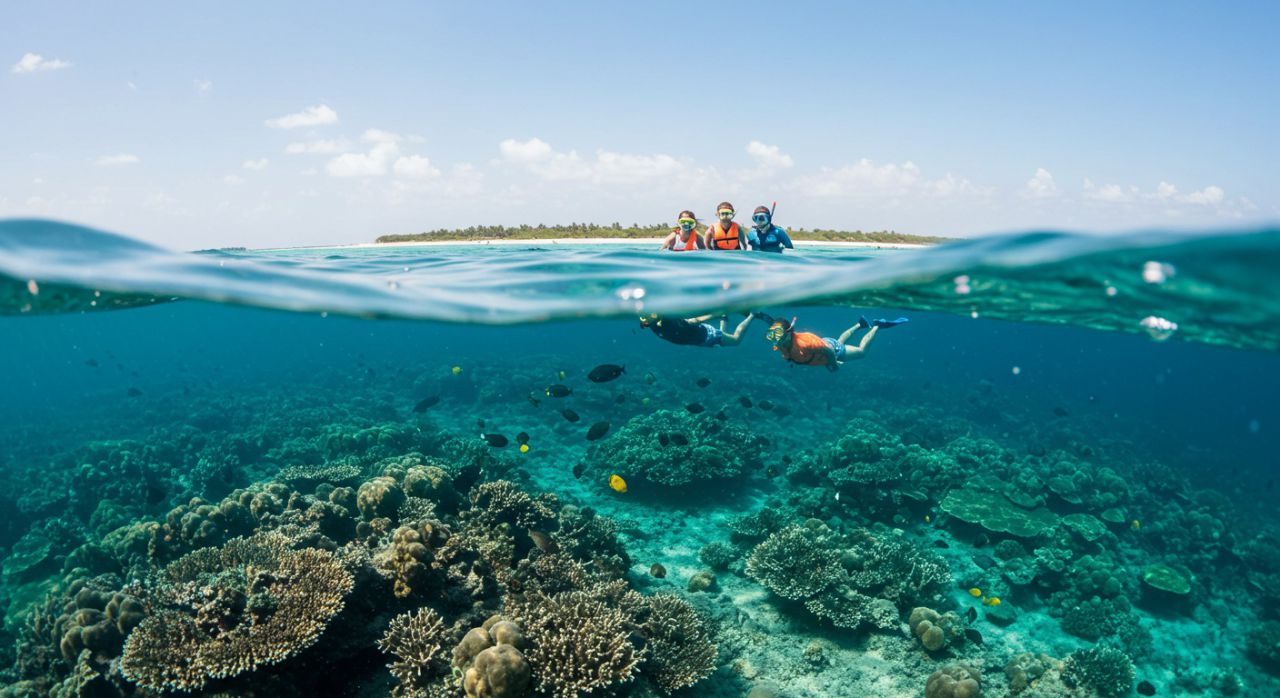
When seeking marine first aid training in Nairobi, it's crucial to choose a reputable and certified training provider. Look for organizations that are accredited by recognized maritime or first aid bodies. These providers typically offer courses that meet international standards and are often taught by experienced instructors with backgrounds in emergency medical services or maritime operations. Research potential training centers by reading reviews, checking their accreditation status, and inquiring about the specific content and duration of their courses. Get2gether can help identify established institutions offering such programs. Consider the course format; some providers offer intensive, multi-day courses, while others might have modular options. Ensure the training includes practical, hands-on elements, as these are essential for developing real-world skills. A reputable provider will offer a certificate upon successful completion, which may be required for professional licensing or insurance purposes.
Key Skills Covered in Training
Comprehensive marine first aid training covers a broad spectrum of life-saving skills tailored for the maritime environment. Core components typically include Cardiopulmonary Resuscitation (CPR) and the use of an Automated External Defibrillator (AED), essential for cardiac emergencies. Participants learn how to manage severe bleeding, shock, and fractures, including techniques for stabilizing injuries on a moving vessel. Specific modules often address common maritime ailments like seasickness, hypothermia from immersion in cold water, and heat-related illnesses such as heatstroke and dehydration, which are prevalent in Kenya's climate. Drowning victim management, including rescue breathing and recovery positions, is a critical skill. Training also covers wound care, burn management, managing allergic reactions and anaphylaxis, and basic neurological assessment. Emphasis is placed on patient assessment, communication with shore-based medical services, and evacuation procedures, ensuring trainees are prepared for a wide array of medical contingencies at sea.
Benefits Beyond Emergencies
While the primary purpose of marine first aid training is emergency preparedness, the benefits extend far beyond immediate crisis response. Possessing these skills instills a greater sense of confidence and competence when participating in or leading maritime activities. It enhances overall safety awareness not just for oneself but for everyone on board. For professionals, holding a recognized marine first aid training certificate can fulfill regulatory requirements, improve employability, and potentially lead to lower insurance premiums. It demonstrates a commitment to safety and responsibility, which is highly valued in the maritime industry. Furthermore, the skills learned are transferable to many land-based situations, making you a more capable first responder in everyday life. This training fosters a proactive approach to safety, encouraging individuals to be vigilant and prepared, thereby reducing the likelihood of incidents and ensuring a safer experience for all involved in marine activities around Nairobi.
Get2gether: Supporting Your Maritime Safety
Get2gether is dedicated to enriching your experiences in Nairobi, Kenya, through curated social events and corporate retreats. We understand that safety is a cornerstone of any enjoyable activity, especially those involving water. That's why we are committed to guiding you towards essential safety resources, such as certified marine first aid training. Whether you're planning a corporate team-building event on the coast or organizing a group excursion involving boats, ensuring everyone is prepared for emergencies is paramount. Let Get2gether connect you with reputable providers of marine first aid training, empowering you and your group with the skills to handle unforeseen situations confidently and effectively. Your safety is our priority as you explore the aquatic wonders accessible from Nairobi.