Why Sun Protection for Water Sports is Non-Negotiable in Kenya
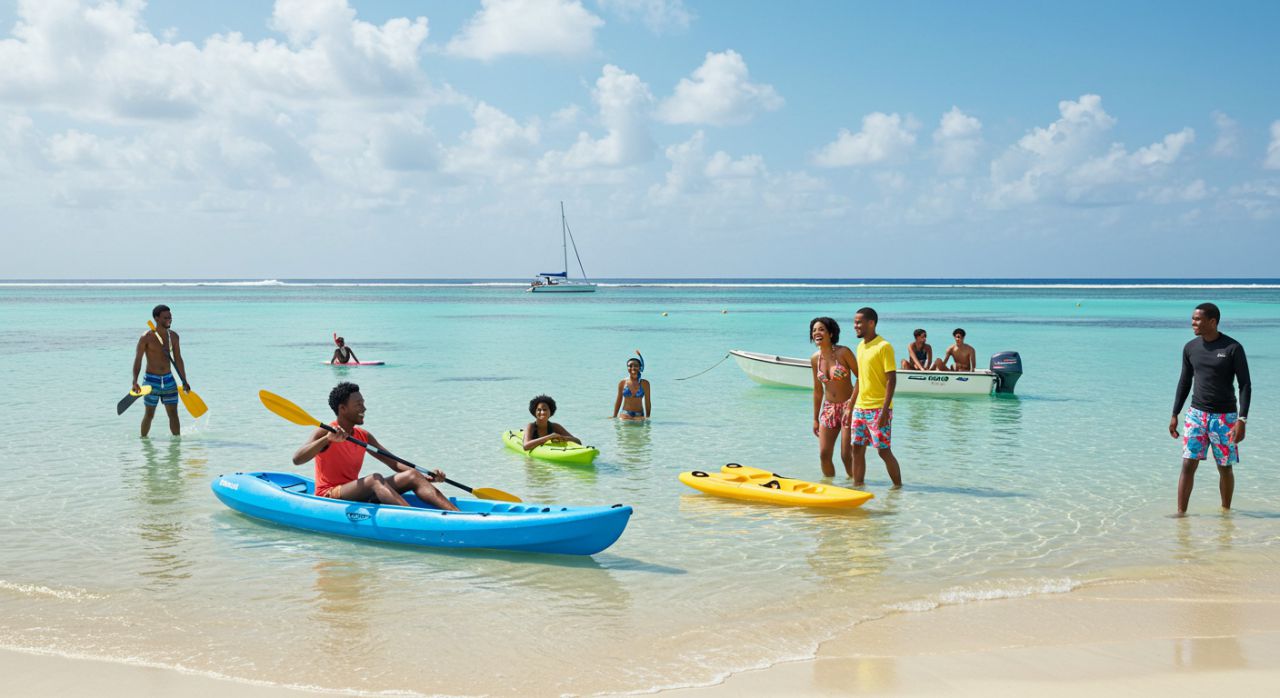
Kenya's equatorial sun, while beautiful, can be intensely harsh, especially when amplified by water reflection. For anyone engaging in water sports in Nairobi and its environs, adequate sun protection for water sports is not just recommended; it's absolutely vital. Prolonged exposure without proper safeguards can lead to severe sunburn, dehydration, and increased risks of skin damage. Whether you're kayaking, sailing, or swimming, the combination of direct sunlight and reflective surfaces intensifies UV radiation, making protection even more critical. Get2gether understands these risks and offers a comprehensive range of solutions designed to keep you safe and comfortable. Prioritizing your skin's health ensures you can enjoy your aquatic adventures to the fullest. Invest in robust sun protection for water sports to safeguard your well-being.
Understanding UV Radiation and Its Impact on Water Sports Enthusiasts
Ultraviolet (UV) radiation is an invisible component of sunlight that poses significant health risks. When you're involved in water sports, these risks are compounded. Water not only reflects UV rays, increasing your exposure, but it also cools your skin, making you less aware of the sun's intensity. This can lead to severe sunburn before you even realize it. UVA rays contribute to skin aging and wrinkling, while UVB rays are the primary cause of sunburn and increase the risk of skin cancer. Both types can damage eye health. Effective sun protection for water sports aims to block or reduce the amount of UV radiation reaching your skin and eyes. Understanding these dangers is the first step towards adopting comprehensive protective measures. Get2gether is committed to educating our Nairobi customers on the importance of robust sun safety. Protecting yourself allows for longer, safer, and more enjoyable times on the water. This knowledge empowers you to make informed decisions for your health.
Essential Gear for Comprehensive Sun Protection on the Water
Achieving comprehensive sun protection for water sports requires a multi-faceted approach, incorporating various types of gear. High-UPF (Ultraviolet Protection Factor) clothing is a cornerstone. Rash guards, long-sleeved shirts, and even full-body suits made from UPF 50+ fabric block over 98% of harmful UV rays. Wide-brimmed hats or legionnaire hats are crucial for protecting your face, ears, and neck, areas often overlooked. Polarized sunglasses with 100% UV protection shield your eyes from glare and damage, improving visibility on the water. Don't forget lip balm with SPF to prevent chapped, sunburned lips. For exposed skin, a broad-spectrum, water-resistant sunscreen with an SPF of 30 or higher is indispensable. Reapply it frequently, especially after sweating or prolonged water contact. Get2gether offers a wide selection of these essential items, ensuring you're fully equipped for any aquatic adventure in Nairobi. Combine these elements for maximum safety. This layered approach guarantees superior defense against the intense sun.
Choosing the Right Sunscreen: Factors for Water Sports
Selecting the appropriate sunscreen is a critical component of effective sun protection for water sports. First, always opt for a broad-spectrum sunscreen, meaning it protects against both UVA and UVB rays. An SPF (Sun Protection Factor) of 30 or higher is recommended, offering substantial protection. Crucially, for water sports, choose a water-resistant or very water-resistant formula. These sunscreens maintain their effectiveness for 40 or 80 minutes, respectively, even after swimming or sweating. Remember to reapply as directed on the label, typically every two hours, or more frequently if you're actively in the water. Consider mineral sunscreens (containing zinc oxide or titanium dioxide) as they create a physical barrier and are often more environmentally friendly, especially in marine environments. Avoid spray sunscreens on windy days, as they can be difficult to apply evenly. Get2gether advises on the best sunscreen choices for your activities in Nairobi, ensuring your skin remains shielded. Proper application is just as vital as the product itself.
UPF Clothing: Your First Line of Defense Against UV Rays
UPF (Ultraviolet Protection Factor) clothing is arguably the most effective form of sun protection for water sports. Unlike SPF, which measures a sunscreen's ability to block UVB rays, UPF measures both UVA and UVB protection of fabric. A UPF rating of 30 provides good protection, 50 offers very good, and 50+ is excellent. When choosing UPF clothing, look for lightweight, breathable fabrics that wick away moisture, keeping you cool and comfortable. Long-sleeved rash guards, shirts, and leggings are excellent choices, covering large areas of skin. Many brands incorporate flatlock seams to prevent chafing, a common issue during water activities. The beauty of UPF clothing is its consistent protection; it doesn't wash off or wear out like sunscreen (though its effectiveness can diminish with significant stretching or wear). For prolonged exposure to the Nairobi sun, especially on the water, UPF clothing should be your primary protective layer. Get2gether stocks a range of stylish and functional UPF apparel. This durable option saves you from constant reapplication.
Protecting Your Eyes and Head: Hats and Sunglasses
Often underestimated, protecting your head and eyes is paramount for effective sun protection for water sports. A wide-brimmed hat offers crucial shade for your face, ears, and neck, areas highly susceptible to sun damage. Look for hats made from quick-drying materials with chin straps to prevent them from flying off in windy conditions or during vigorous activity. Legionnaire hats, with their neck flaps, provide even greater coverage. For your eyes, polarized sunglasses with 100% UV protection are essential. The polarization reduces glare from the water's surface, improving visibility and reducing eye strain. UV protection is vital to prevent long-term damage like cataracts and pterygium. Ensure your sunglasses are designed for water sports, meaning they are durable, comfortable, and ideally have a floating strap to prevent loss if they fall into the water. Get2gether offers a selection of hats and sunglasses specifically designed for the demands of water sports in Nairobi. Don't compromise on these vital protective accessories.
Beyond Gear: Smart Habits for Sun Safety on the Water
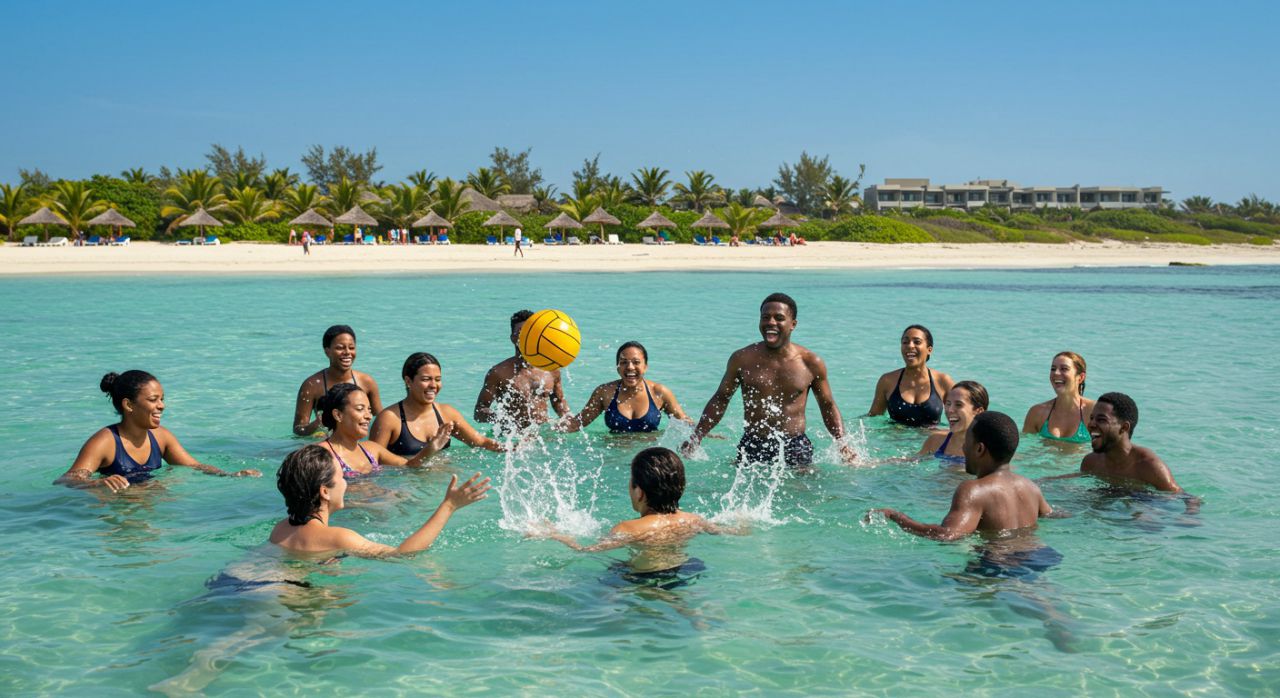
While gear provides excellent physical barriers, smart habits are equally important for comprehensive sun protection for water sports. Timing your activities to avoid peak sun hours, typically between 10 AM and 4 PM, can significantly reduce your UV exposure. Seek shade whenever possible, whether under a tree, an umbrella, or the cover of your boat. Staying adequately hydrated is crucial, as dehydration can exacerbate the effects of sun exposure. Drink plenty of water before, during, and after your water sports. Be mindful of reflective surfaces like water, sand, and even snow, which intensify UV radiation. Remember that clouds do not block all UV rays, so protection is still necessary on overcast days. Educate yourself and your companions about sun safety. By combining high-quality protective gear from Get2gether with these smart habits, you can enjoy Nairobi's beautiful waters safely and responsibly. Your long-term health depends on these practices.