Elevate Your Fitness with Combat Training
In Nairobi, fitness enthusiasts are increasingly seeking dynamic training methods. Combat fitness offers a comprehensive approach, blending strength, cardiovascular endurance, agility, and mental toughness. Effective combat fitness program design is key to achieving peak physical condition safely and efficiently. Whether for professional athletes, martial artists, or individuals seeking a challenging workout, a well-structured program yields the best results. Get2gether understands the demand for specialized fitness solutions in Kenya's capital. This guide explores the core principles behind creating a successful combat fitness regimen tailored for Nairobi's active community.
Understanding Combat Fitness Principles
Combat fitness is more than just hitting a punching bag; it's a holistic training methodology. It draws inspiration from the physical demands placed on athletes in combat sports like boxing, MMA, Muay Thai, and even military personnel. The core principles include developing explosive power, muscular endurance, high levels of cardiovascular fitness, and exceptional agility. A key component is functional strength – movements that mimic real-world actions and combat scenarios. This means training the body to work as a cohesive unit. Injury prevention is paramount, so proper form and progressive overload are crucial. Successful combat fitness program design emphasizes a balanced approach, ensuring all aspects of physical preparedness are addressed systematically. It's about building a resilient and adaptable physique ready for any challenge.

Key Components of a Combat Fitness Program
A robust combat fitness program design must incorporate several critical elements. Cardiovascular conditioning is essential, often achieved through high-intensity interval training (HIIT), circuit training, or endurance drills. Strength training focuses on compound movements like squats, deadlifts, presses, and rows, alongside explosive exercises such as plyometrics and kettlebell swings. Muscular endurance is built through higher repetitions and shorter rest periods. Agility and coordination drills, including ladder drills, cone drills, and reaction training, are vital for quick, precise movements. Flexibility and mobility work, often through dynamic stretching and yoga, prevent injuries and improve range of motion. Finally, mental conditioning, such as focus drills and stress management techniques, prepares the individual for demanding situations. Integrating these components ensures a well-rounded fitness outcome.
Tailoring Programs for Different Goals
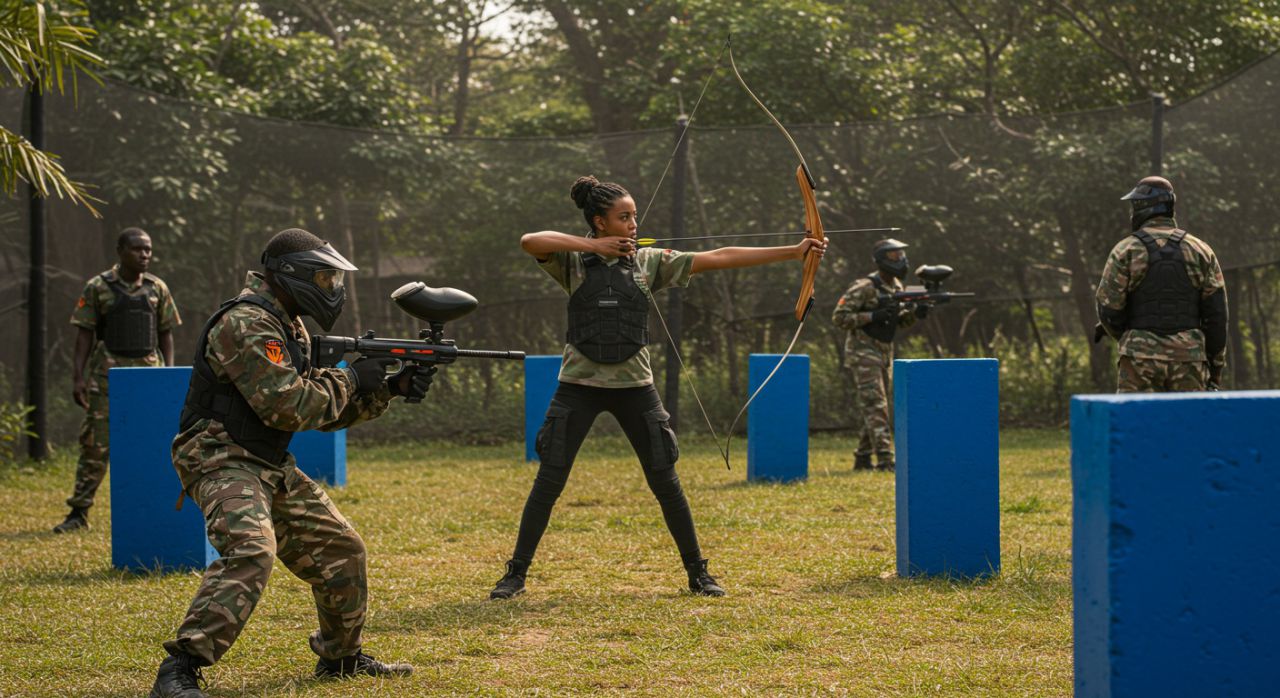
Effective combat fitness program design requires personalization. Goals vary widely among individuals in Nairobi. For a professional boxer, the program might emphasize explosive power, punching endurance, and anaerobic capacity. For a martial artist preparing for competition, the focus could be on grappling strength, flexibility, and rapid recovery. For general fitness enthusiasts seeking a tougher challenge, the program might balance strength, cardio, and functional movements for overall health and resilience. It's important to assess the individual's current fitness level, any pre-existing injuries, and their specific objectives. A personalized approach ensures the program is challenging yet achievable, maximizing engagement and results while minimizing the risk of overtraining or injury.
Incorporating Functional Movements
Functional movements are the cornerstone of any great combat fitness program design. These are exercises that translate directly to improved performance in combat sports or everyday life. Think about movements like lifting, pushing, pulling, squatting, and rotating, performed in a way that engages multiple muscle groups simultaneously. Examples include medicine ball throws for rotational power, sled pushes for leg drive and conditioning, and farmer's walks for grip strength and core stability. Incorporating these movements enhances coordination, balance, and proprioception. They prepare the body for the unpredictable demands of physical exertion, making training more relevant and effective. This focus on practical strength and movement quality differentiates combat fitness from traditional gym routines.
Nutrition and Recovery Strategies
No combat fitness program design is complete without addressing nutrition and recovery. Proper fueling is critical to support intense training and promote muscle repair. This typically involves a balanced intake of protein, complex carbohydrates, healthy fats, and micronutrients. Hydration is also paramount, especially in Nairobi's climate. Recovery strategies are equally important for preventing overtraining and optimizing performance. These include adequate sleep, active recovery sessions like light stretching or foam rolling, and potentially massage therapy. Listening to your body and incorporating rest days are essential. A well-rounded program ensures that the body can adapt to the training stimulus and emerge stronger.
Get2gether: Enhancing Team Fitness in Nairobi
While Get2gether specializes in social events and corporate retreats, we recognize the growing interest in specialized fitness like combat training in Nairobi. A well-designed combat fitness program can be an excellent component of corporate wellness initiatives or team-building events. Imagine a corporate challenge incorporating elements of agility and strength, fostering teamwork and a sense of accomplishment. We can help tailor experiences that promote health and camaraderie among your teams in Nairobi. Connect with Get2gether to explore how we can integrate fitness-focused activities into your next corporate gathering, promoting a healthier and more dynamic workforce in Kenya.